Published on:
10 min read
A Watering Routine for Balcony and Patio Containers
Balcony and patio container gardens can transform small outdoor spaces into lush retreats, but inconsistent watering often leads to stressed plants and wasted effort. Establishing a realistic balcony container watering routine is essential for thriving greenery and a manageable daily schedule. This editorial guides you through planning a routine that fits your life, addresses safety and maintenance, and ensures your plants are both healthy and resilient—whether you’re a morning person, a weekend warrior, or somewhere in between.

- •The Challenge of Consistent Container Watering
- •Morning Assessment: The Best Time to Water
- •Setting Up Your Routine: Daily, Every Other Day, or Flexible?
- •Watering Technique: How Much and How Often
- •Smart Tools to Simplify the Routine
- •Safety and Maintenance Beyond Watering
- •A Day in the Life: Sequencing Your Watering and Maintenance
- •Dealing with Weather Surprises
- •Integrating Watering with Other Care Tasks
- •When to Call a Pro
- •Building a Sustainable Routine for the Long Haul
- •References
The Challenge of Consistent Container Watering
You’ve set out bright pots, arranged your favorite herbs, and maybe even invested in a few statement planters. Yet, despite your best intentions, container plants on balconies and patios often struggle. The culprit is rarely a lack of enthusiasm—it’s the challenge of establishing a watering routine that fits unpredictable weather, busy schedules, and the unique needs of container-grown plants. Without a plan, missed waterings can turn lush leaves crispy or, worse, invite mold and root rot. The good news: a thoughtful routine can make your outdoor space both beautiful and low-stress.
Unlike in-ground beds, containers dry out quickly and are more exposed to wind and sun. Even a single hot afternoon can leave soil parched. Overwatering is just as risky, especially if drainage is poor or saucers are left full. The key is consistency—a rhythm that fits your lifestyle and the microclimate of your balcony or patio. With a little planning, you can avoid the cycle of neglect and rescue, and instead enjoy steady, healthy growth all season.
Morning Assessment: The Best Time to Water
For most balcony and patio gardeners, morning is the ideal time to check in on your plants. Cooler temperatures reduce evaporation, giving roots a chance to absorb moisture before the day heats up. Start by feeling the top inch of soil in each container—if it’s dry, it’s time to water. If it’s still damp, wait until the next check. This simple step helps prevent both overwatering and underwatering, the two biggest threats to container gardens.
Making this a daily habit can be as simple as adding it to your morning routine—right after coffee or before heading to work. If you’re an early riser, you’ll find the quiet time on the balcony refreshing, and your plants will benefit from the consistency. If mornings are rushed, a quick inspection can still be effective; just make sure to check on the soil’s moisture and look for any signs of stress, like drooping or yellowing leaves. Over time, you’ll get to know which plants need more frequent attention and which can wait.
Setting Up Your Routine: Daily, Every Other Day, or Flexible?
Not every container needs daily watering. Shallow pots and small containers dry out faster than large ones. Weather also plays a role—wind, sun, and heat all accelerate drying. Start with a daily check during the hottest months, and scale back to every other day or even twice a week as temperatures cool or rain becomes frequent. Adjust your routine based on plant type: thirsty annuals may need more attention, while succulents and drought-tolerant herbs are forgiving if you miss a day. Document your schedule on a calendar or a phone reminder to help build the habit.
Think about your personal schedule, too. If you’re home most mornings, a daily check is easy. If you travel or work long hours, opt for self-watering containers or group plants with similar needs together for efficiency. If weekends are your main gardening time, use those days for a thorough soak and midweek for a quick check-in. Flexibility is key—plants and weather don’t always stick to a script, so let your routine evolve as needed.
Watering Technique: How Much and How Often
When watering, aim for a slow, deep soak rather than a quick splash. Pour water until you see it draining from the bottom of the container—this ensures the entire root ball is moistened. Avoid letting containers sit in standing water, as this can promote mold and root rot. If you notice a musty smell or see fuzzy patches on soil or plant surfaces, refer to reliable mold cleanup guidelines from the EPA (https://www.epa.gov/mold/mold-cleanup-your-home) and act quickly to remove affected material and improve airflow.
If you’re using saucers, empty them after watering to prevent water from stagnating. For hanging baskets, check that water isn’t dripping onto electrical outlets or painted surfaces below. The goal is to water thoroughly but avoid excess moisture that can cause problems for both plants and your home. Consistent technique helps plants develop deep, resilient roots and reduces the risk of disease.
Smart Tools to Simplify the Routine
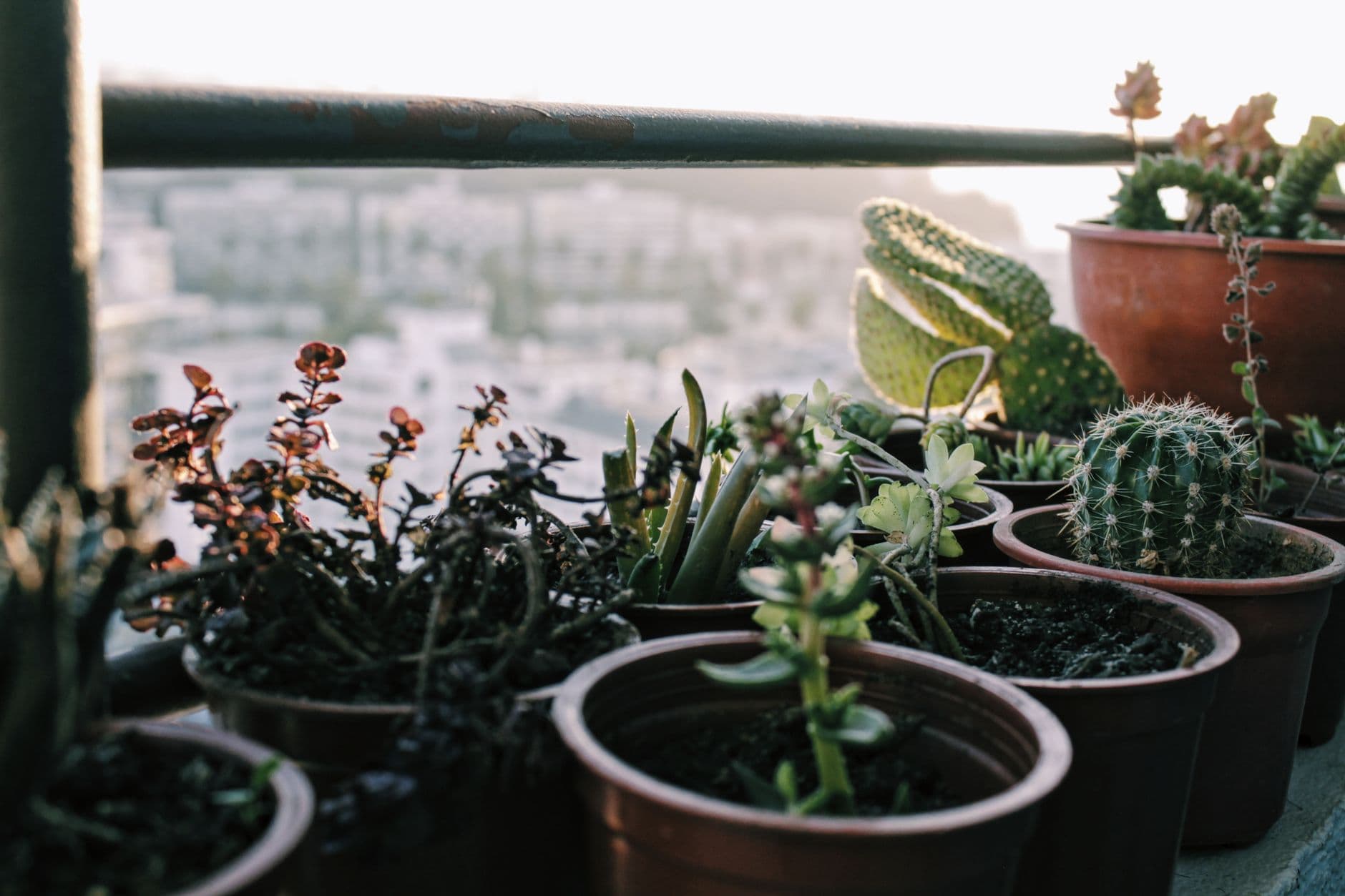
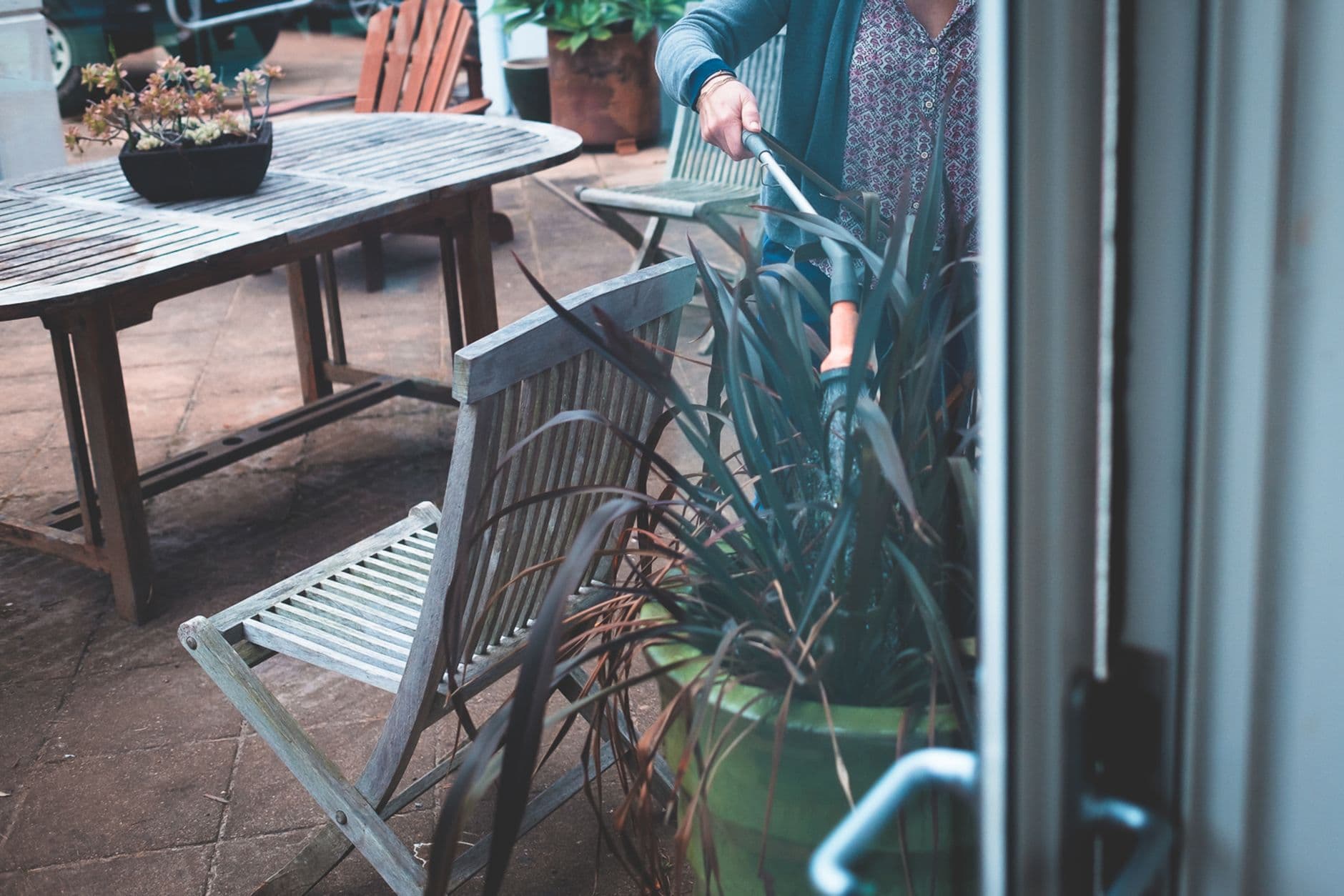
A lightweight watering can with a narrow spout gives you control in tight spaces. Self-watering containers or drip irrigation kits can further reduce daily chores, especially for frequent travelers. For those with high railings or awkward layouts, a hose with a gentle spray attachment can make watering less of a balancing act. Always check for leaks or puddling—water on wooden decks or near doors can create slipping hazards and promote mold growth.
Consider investing in moisture meters if you have a large collection of containers or struggle to judge soil dryness by touch. These tools can help you water only when needed, saving time and resources. For tech enthusiasts, there are even app-connected sensors that alert you when soil is dry. Whatever tools you choose, keep them handy and in good repair—leaky hoses or cracked watering cans can waste water and create messes.
Safety and Maintenance Beyond Watering
A balcony container watering routine isn’t just about plant health—it’s about home safety, too. Routinely check that water isn’t pooling near electrical outlets, door thresholds, or painted surfaces, especially if your home was built before 1978. Disturbing old paint during planter moves or deck repairs can risk lead exposure; consult the EPA’s Renovation, Repair and Painting Program (https://www.epa.gov/lead/lead-renovation-repair-and-painting-program) before scraping or repainting. Mold can also become a concern in persistently damp areas; the EPA’s mold cleanup guidance (https://www.epa.gov/mold/mold-cleanup-your-home) offers practical steps for safe removal and prevention.
Regularly inspect the area beneath and around your containers. Moisture can seep into cracks or seams, especially on wooden decks, leading to rot or mold. If you spot discoloration, warping, or a persistent musty odor, take action promptly. Remove affected materials, improve ventilation, and clean up with appropriate protective gear. If you’re unsure about the safety of old paint, especially if you have children or pets, err on the side of caution and consult a certified professional before starting any repairs.
A Day in the Life: Sequencing Your Watering and Maintenance
Imagine a typical summer day with your balcony garden. You wake up early, coffee in hand, and step outside to greet your plants. The air is cool and quiet, making it the perfect time to assess soil moisture. You check each pot, feeling the soil and noting which ones are dry. A few need water, so you fill your watering can and give each a slow, deep drink, watching for water to drain from the bottoms.
As you water, you scan for any signs of trouble—yellowing leaves, drooping stems, or tiny pests hiding under foliage. You notice a bit of white fuzz on the soil of one pot. Remembering EPA guidelines, you remove the affected top layer, bag it, and wipe down the container. You open the balcony door wide to improve airflow, helping the soil dry out and discouraging further mold growth.
Before heading inside, you check that no water has pooled near the door or electrical outlets. You empty saucers and make a mental note to check the weather forecast—rain is expected tomorrow, so you’ll skip watering then. You jot a quick note in your gardening app, tracking which plants needed extra attention.
Later in the afternoon, you glance outside during a break. The sun is high, and a few plants look wilted. You resist the urge to water again, knowing that overwatering in the heat can do more harm than good. Instead, you adjust a shade cloth to protect the most vulnerable pots. As evening approaches, you do a final check to make sure everything is secure, and that no water remains standing anywhere on the balcony.
Dealing with Weather Surprises
Sudden storms or heatwaves can throw off even the best watering plans. Move containers under shelter if heavy rain is forecast, and check drainage holes to prevent soil from becoming waterlogged. After a storm, let containers drain thoroughly and adjust your next watering accordingly. During heatwaves, plants may need a second check in the afternoon. If you notice leaves drooping or soil pulling away from the sides of the pot, it’s a sign that extra water may be needed.
On blustery days, wind can dry out soil quickly, especially in smaller containers. Consider grouping pots together to create a microclimate and reduce moisture loss. If you’re away during extreme weather, ask a neighbor or friend to check in, or set up an automatic watering system to keep plants hydrated. Monitoring the weather and responding quickly helps prevent both drought stress and waterlogged roots.
Integrating Watering with Other Care Tasks
Combine your watering routine with quick visual inspections for pests, wilting, or yellowing leaves. Wipe down saucers and check supports or trellises for security—over time, water can loosen fastenings or warp wood. If you’re planning seasonal furniture care or rearrangement, coordinate with your watering days to avoid moving heavy, waterlogged pots.
Add in a weekly deep clean—sweep up fallen leaves, trim dead growth, and check for signs of mold or mildew on surfaces. If you spot persistent dampness or growth, consult EPA mold cleanup resources and act quickly. For those with painted railings or decks, keep an eye out for flaking or chipping, especially if your home is older. If you need to move containers for cleaning or repairs, handle them gently to avoid disturbing old paint or damaging roots.
When to Call a Pro
If you notice persistent mold, structural water damage, or suspect lead paint exposure during planter moves or repairs, it’s wise to consult a professional. Mold remediation and lead-safe renovation require specialized knowledge and may be subject to local regulations. Don’t risk your health or your home—when in doubt, call in an expert and review the EPA’s resources on safe cleanup and renovation.
If you ever feel overwhelmed by the scale of a problem—whether it’s a spreading mold patch or uncertainty about the age and safety of painted surfaces—pause and seek help. Professionals can assess the situation, recommend safe solutions, and ensure your balcony remains a healthy, enjoyable retreat.
Building a Sustainable Routine for the Long Haul
A successful balcony container watering routine is flexible, responsive, and sustainable. Start with a daily check, adjust based on weather and plant needs, and use the right tools for your space. Integrate safety and maintenance into your habit, and don’t hesitate to seek expert help for persistent issues. With a little planning, your balcony or patio can stay vibrant and welcoming all season long.
Remember, gardening is as much about enjoying the process as it is about the results. By establishing a routine that fits your life, you’ll find it easier to keep up with care, spot problems early, and create an outdoor space you love coming home to. The more you practice, the more intuitive your routine becomes, making container gardening a relaxing, rewarding part of your day.
References
U.S. EPA, Mold Cleanup in Your Home — moisture and cleanup guidance. https://www.epa.gov/mold/mold-cleanup-your-home
U.S. EPA, Lead Renovation, Repair and Painting Program — rules before disturbing old paint. https://www.epa.gov/lead/lead-renovation-repair-and-painting-program
Ready.gov — emergency preparedness including utility shutoff awareness. https://www.ready.gov/
Article information
Published

About the author
Hazel BennettDIY & Outdoor Projects Writer
Hazel Bennett covers DIY projects and outdoor spaces for TopicFlex. She focuses on stepwise project planning, material lists, and outdoor-space improvements that renters and homeowners can approach carefully.
More from Hazel →This information is general and is not a substitute for professional advice for your specific situation.