Patio Furniture Seasonal Care: A Practical Routine
Outdoor furniture takes a beating from sun, rain, and temperature swings. Seasonal care extends its life, keeps surfaces safe to use, and helps you catch damage before it becomes a bigger problem. Here is what to do for a typical mixed-material set, from cleaning and drying to storage and storm prep.
Leaving patio furniture exposed through the seasons guarantees wear—fading, rust, mildew, and even structural risk. Seasonal care is not just about keeping things tidy; it extends the life of your investment, prevents safety hazards, and avoids unpleasant surprises come spring. Without a routine, even the sturdiest furniture can suffer hidden damage, especially in climates with heavy rain, snow, or intense sun.
What Good Outdoor Furniture Care Looks Like
Effective patio furniture seasonal care comes down to a few habits:
Match cleaning and protection methods to the furniture's material (wood, metal, resin, fabric, etc.).
Keep moisture out of cushions and crevices—mold and rust thrive on neglect.
Use safe, non-damaging cleaners (always check product labels and avoid mixing chemicals).
Plan for safe storage before weather turns harsh, not after.
Know when to stop: some damage or repairs require a professional.
Material Identification: The Foundation of Every Care Routine
Before you clean or store anything, confirm what materials you are dealing with. Look for manufacturer labels, check purchase paperwork, or inspect the furniture closely. Most sets mix materials—steel frames with plastic slats, or wood arms with fabric cushions. If unsure, treat the most delicate material as the limiting factor. This helps avoid using harsh products or methods that could cause more harm than good.
Safe Cleaning: Choosing the Right Approach and Products
Every material has its own cleaning needs. For example, metal frames may tolerate mild soap and water, but wood might need a specialty cleaner or oil. Never mix cleaning products—this can release hazardous fumes or cause chemical burns. Always spot-test any new cleaner on an out-of-sight area. When in doubt, opt for products carrying the EPA Safer Choice label, which ensures the formula is safer for people and the environment. If you are unsure about a cleaner's safety, consult the packaging or visit official resources for guidance.
Water is the enemy of both metal and fabric. After rain or cleaning, make sure every part—especially cushions and hollow frames—is thoroughly dry before storage or covering. Store soft goods in a dry, ventilated area, not sealed plastic bins where moisture can build up. Only cover furniture when it is bone dry to avoid trapping dampness. If you notice persistent mildew or a musty smell after cleaning, it is usually safer to replace the affected item than risk health issues.
Seasonal Care for a Mixed-Material Patio Set
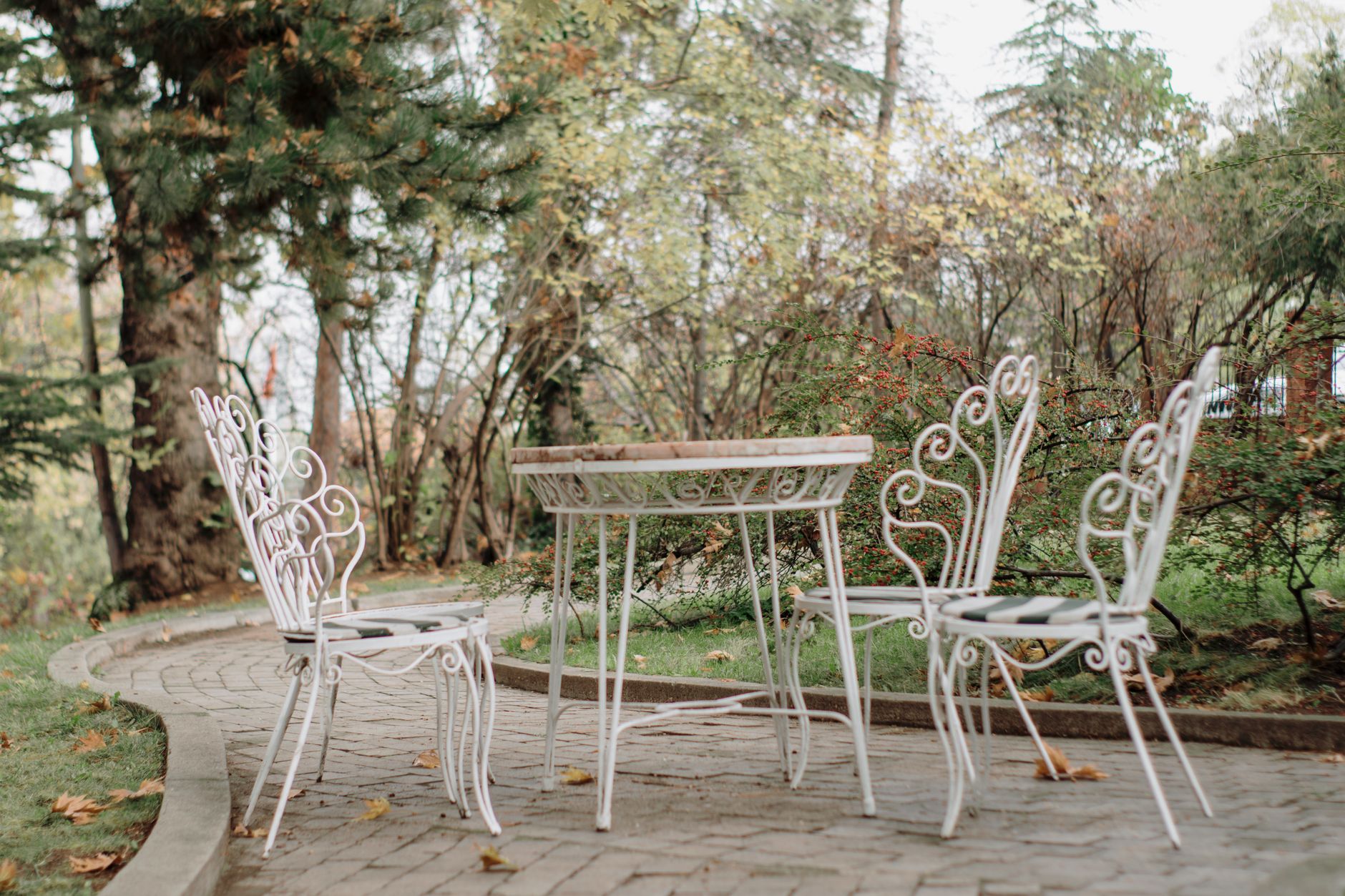
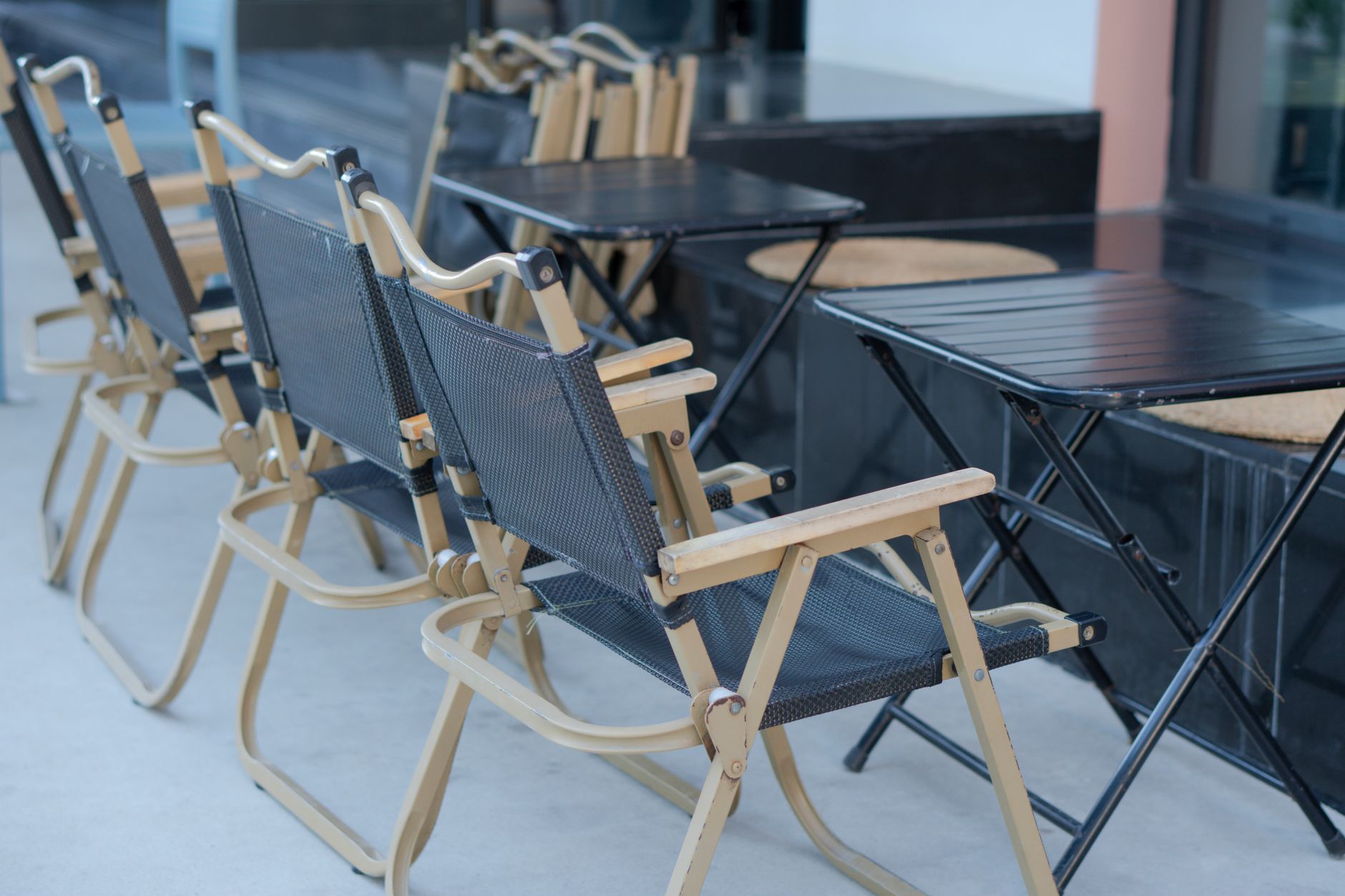
Suppose you have a patio dining set: powder-coated steel frame, polywood slats, and outdoor fabric cushions. Here is how to apply the steps above:
1. Remove cushions and check for tags with cleaning instructions. If removable covers are machine-washable, follow those directions. Otherwise, gently clean with a mild soap solution and air dry fully in a shaded, breezy spot.
2. Wipe down frames and slats with a soft sponge and a mix of water and mild detergent. Rinse well and dry with a towel to prevent water spots or rust. Inspect for chipped paint or rust—touch up as needed, but if you see deep rust or structural cracks, pause and consult a professional.
3. Check all fasteners and joints for looseness. Tighten where needed, but do not force anything that is corroded or stripped.
4. Store cushions indoors in a dry, ventilated closet or on a shelf where air can circulate. Avoid plastic bags or bins unless they are specifically designed for breathability.
5. Cover the frame only after it is completely dry. Use a breathable cover, and secure it to prevent wind from pulling it off.
6. Plan storage so nothing blocks exits or creates trip hazards in your garage or shed. Take photos if you disassemble anything, and keep hardware in labeled bags.
If you find any issues you cannot safely fix—like cracked welds, broken frame sections, or persistent mold—do not try to patch it up yourself. Structural repairs and mold remediation are best left to professionals.
When to Store, Cover, or Retire Furniture
As seasons change, decide whether each piece should be cleaned and covered, moved indoors, or retired. If storms or freezing weather are forecast, lightweight and fabric pieces should be stored inside. Heavier items can often stay outdoors under covers if they are in good condition. If any piece shows signs of major damage (deep rust, cracked wood, collapsed foam), it is safer to retire or professionally repair it than risk injury or further damage.
Safety First: Chemicals, Fire, and Structural Hazards
Always read cleaner labels and heed all warnings. Never mix cleaning agents, and avoid using products not clearly marked as safe for your furniture's material. Improper chemical use can cause burns, toxic fumes, or fire hazards—if you are exposed or unsure about a product, contact Poison Control for immediate advice. For any repairs involving electrical parts or structural integrity, stop and call a professional—DIY fixes in these cases can be dangerous and may void warranties. Always keep walkways clear and ensure stored items do not block exits, as clutter can impede escape in emergencies.
Weather Readiness: Securing Furniture Before Severe Events
Patio furniture can become dangerous in high winds or storms. Anchor or move lightweight pieces inside before severe weather hits. If you live in an area prone to hurricanes or blizzards, review your storage plan each season and sign up for local weather alerts. This not only protects your furniture but also reduces the risk of property damage or injury from airborne debris.
Quick Reference: Seasonal Patio Furniture Care Checklist
For most households, a reliable seasonal routine looks like this:
Remove and dry all cushions and fabric goods
Clean surfaces with material-appropriate cleaners
Inspect for rust, cracks, or mold; address or retire as needed
Tighten hardware and check stability
Allow all items to dry fully before covering or storing
Store cushions in a dry, ventilated space
Cover dry frames with breathable covers
Keep pathways clear during storage and after reassembly
Secure or store furniture ahead of storms
If any step reveals damage you cannot safely fix, call a professional or responsibly dispose of the item.
References
U.S. Environmental Protection Agency, Safer Choice — referenced for guidance on selecting safer cleaning products for outdoor furniture care. https://www.epa.gov/saferchoice
Poison Control (poison.org) — cited as the immediate resource for accidental exposure or ingestion of cleaning products during DIY furniture care. https://www.poison.org/
Ready.gov, Home Fires — consulted for fire safety considerations when storing and maintaining patio furniture indoors or in shared spaces. https://www.ready.gov/home-fires
Hazel Bennett covers DIY projects and outdoor spaces for TopicFlex. She focuses on stepwise project planning, material lists, and outdoor-space improvements that renters and homeowners can approach carefully.
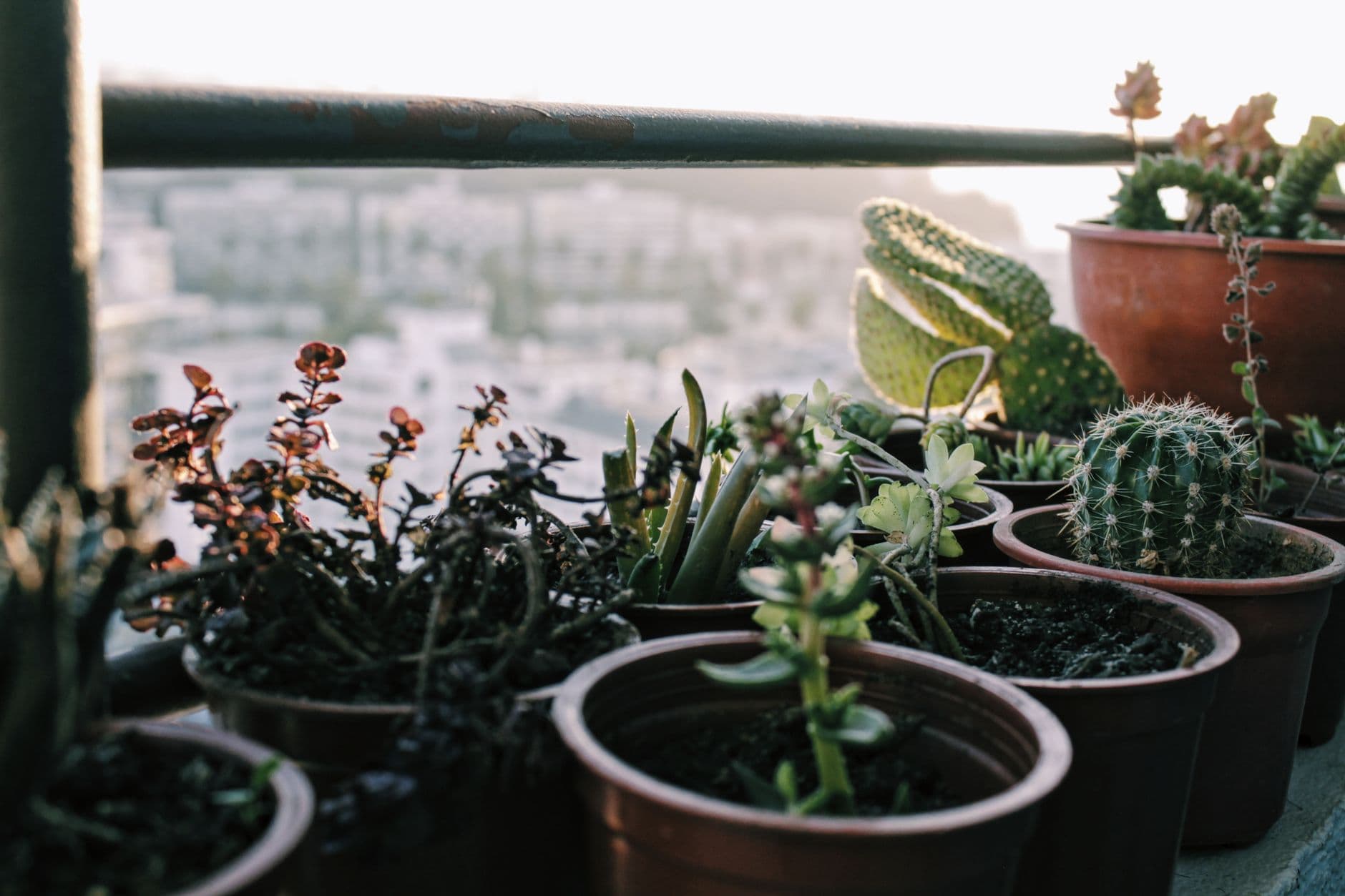
A small balcony can hold a lot of green, but only if you respect load limits, building rules, and drainage before you buy the first pot. Here is how to prep a compact plant corner that stays compliant, stable, and easy to maintain.
Seeking relief from the sun on a small patio can lead to unexpected safety risks if you don’t account for the wind. Many homeowners are tempted by budget shade sails, umbrellas, or pop-ups, but these options can quickly become projectiles or collapse in a gust. This editorial walks through practical, wind-safe strategies for adding shade to a compact outdoor space, highlighting which features to prioritize, what to avoid, and how to blend comfort with caution. Whether you’re eyeing a DIY upgrade or considering a modest investment, you’ll find actionable guidance to keep your patio cool and secure.
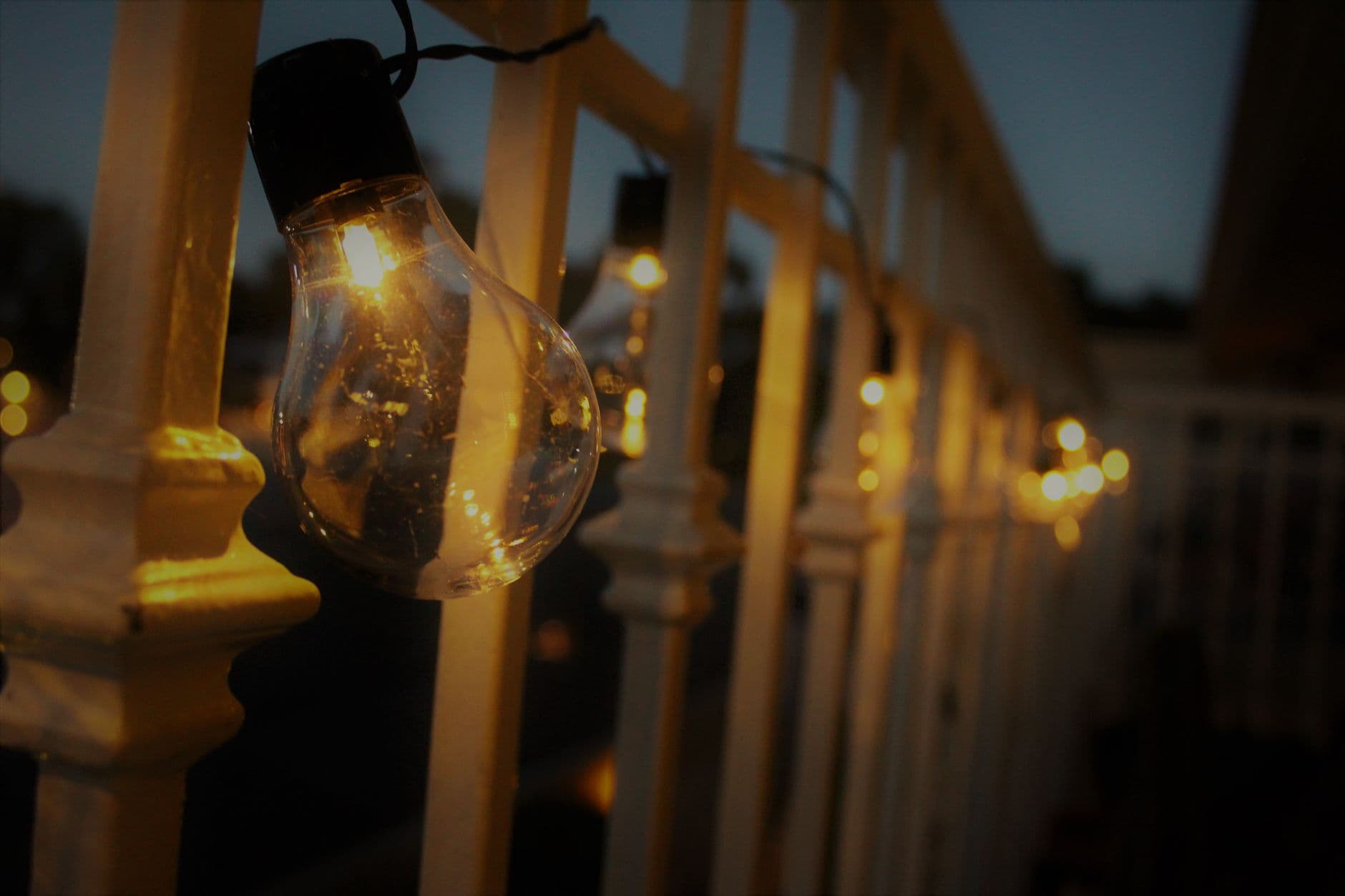
Renters can brighten a porch, balcony, or patio without drilling holes or risking a deposit—but only if the fixtures and cords are rated for outdoor use and installed with temporary hardware. Here is what to buy, where to place it, and how to hang weatherproof string lights you can take down when you move.
Balcony and patio container gardens can transform small outdoor spaces into lush retreats, but inconsistent watering often leads to stressed plants and wasted effort. Establishing a realistic balcony container watering routine is essential for thriving greenery and a manageable daily schedule. This editorial guides you through planning a routine that fits your life, addresses safety and maintenance, and ensures your plants are both healthy and resilient—whether you’re a morning person, a weekend warrior, or somewhere in between.