Small Balcony Plant Prep: Safe Setup for Tight Spaces
A small balcony can hold a lot of green, but only if you respect load limits, building rules, and drainage before you buy the first pot. Here is how to prep a compact plant corner that stays compliant, stable, and easy to maintain.
Turning a small balcony into a green retreat seems simple—until overloaded railings, water leaks, or ignored rules cause damage or safety hazards. Before you buy a single pot, understand the real constraints of your space and how to work within them. The sections below cover load limits, code compliance, and layout basics, then walk through a sample setup for a typical city balcony.
Structural Safety: Know Your Limits Before You Lift
Balconies might look sturdy, but their ability to hold extra weight varies widely. Most are designed for a specific live load, often around 40–60 lbs per square foot, but age, repairs, and construction type can significantly affect this. Never assume your balcony can handle heavy containers or dense groupings of soil-filled pots. Signs of trouble—such as cracks, rust, or sagging—mean you should stop and consult a qualified professional before proceeding. Always check building documentation or ask management for load limits, and if you are in doubt, err on the side of caution and use lightweight containers and soil mixes.
Balcony Rules and Safety Codes: Compliance Comes First
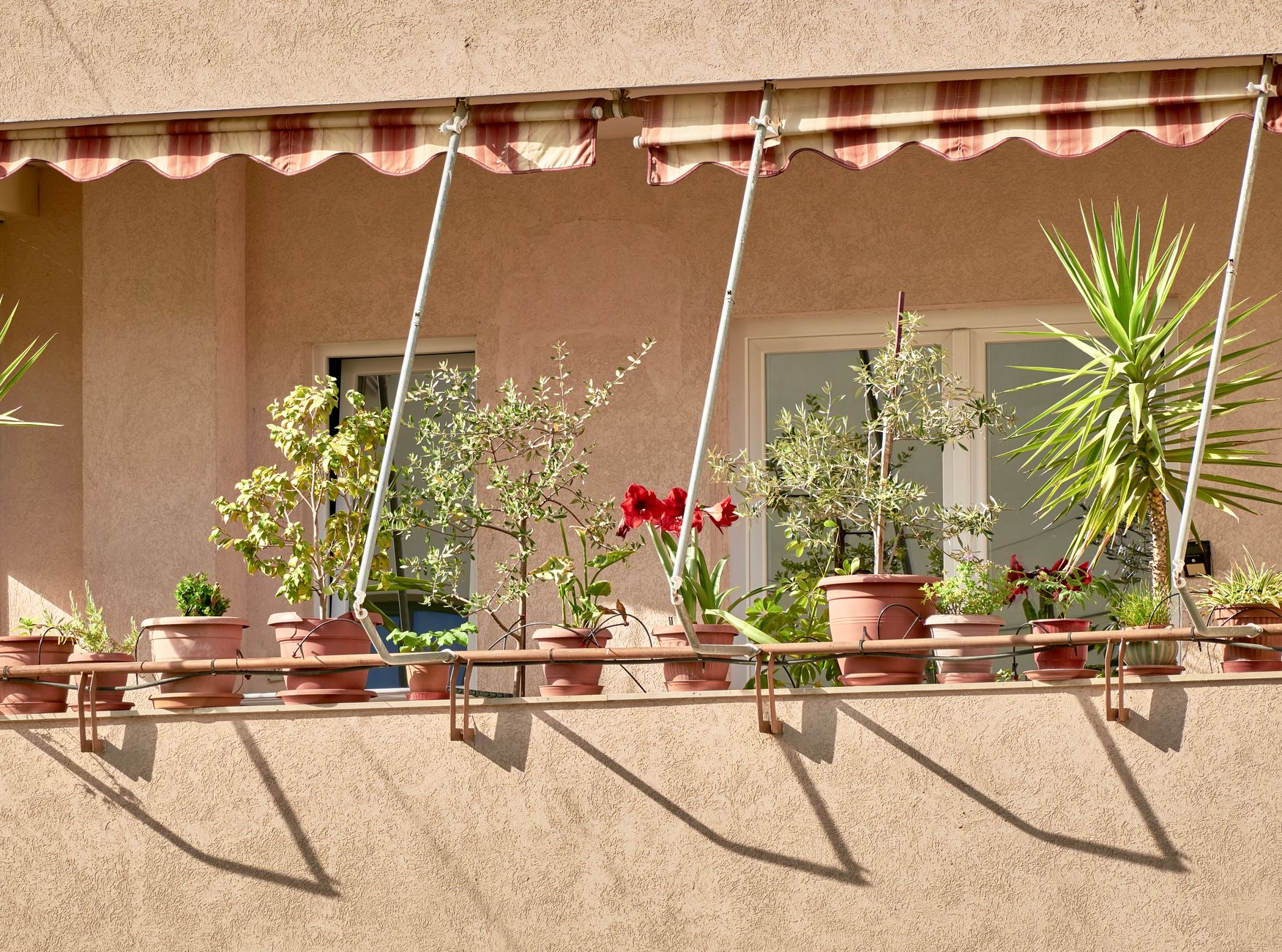
Many buildings and local codes have strict rules about what is allowed on balconies—especially in multi-unit dwellings. These cover not only weight but also what can be attached to railings, minimum egress widths, and fire safety. Some buildings ban certain planters or require approval for any permanent fixtures. Always check your building's regulations before you start. If your balcony is part of a rental or HOA, you may need written permission. Ignoring these rules risks fines or forced removal.
Understanding Your Balcony's Microclimate
Every balcony has its own mini-environment. To avoid fried leaves or stunted growth, spend a few days observing:
How many hours of direct sun does your balcony get?
Are there strong winds, especially on higher floors?
Does heat bounce off glass or metal surfaces?
Is there any persistent dampness or mold?
This information shapes what plants will thrive and where to place them. For persistent moisture or mold, address the source before introducing new plants, as excess moisture can damage both your home and your health.
Choosing Containers and Layout: Balancing Form and Function
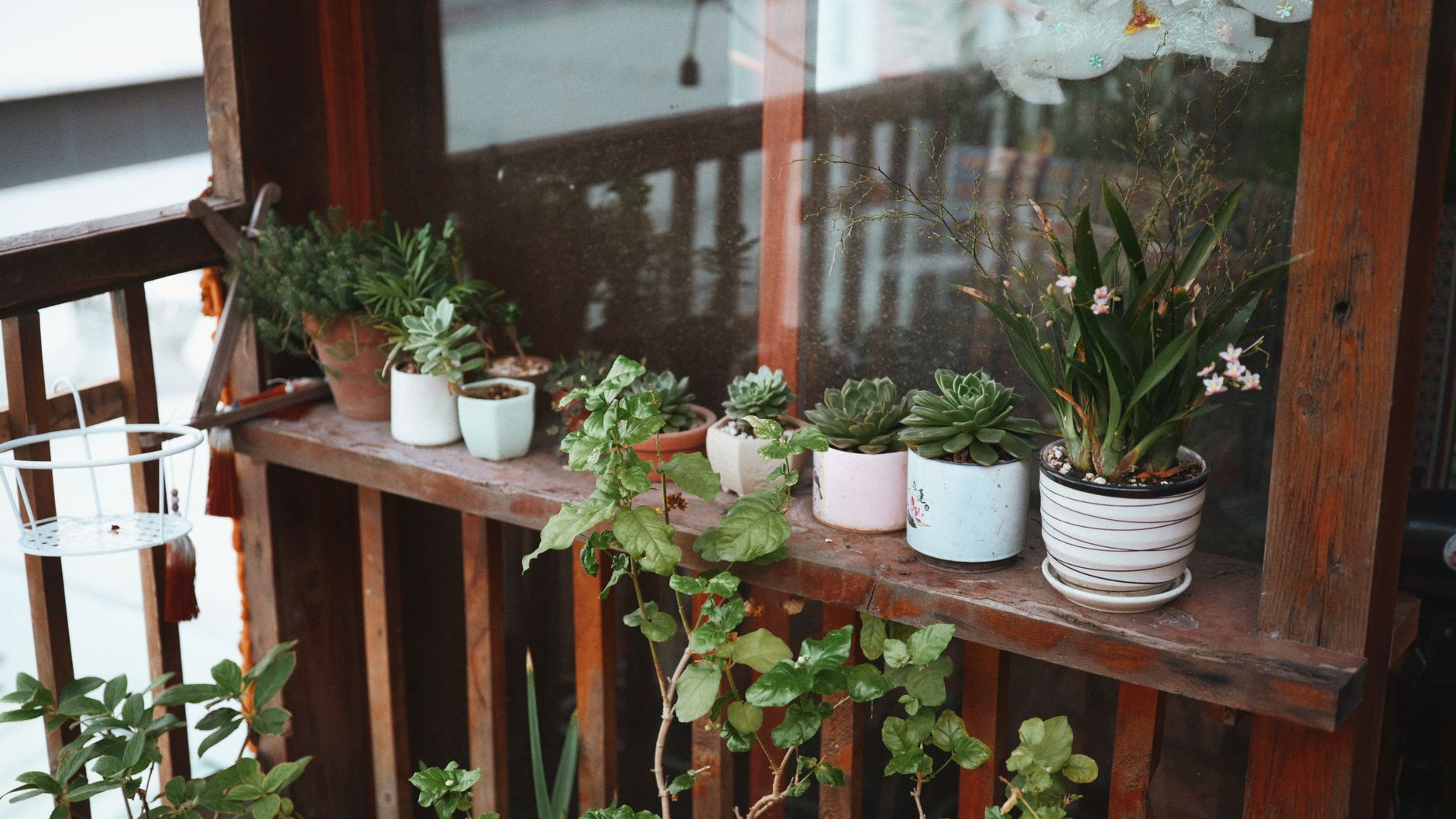
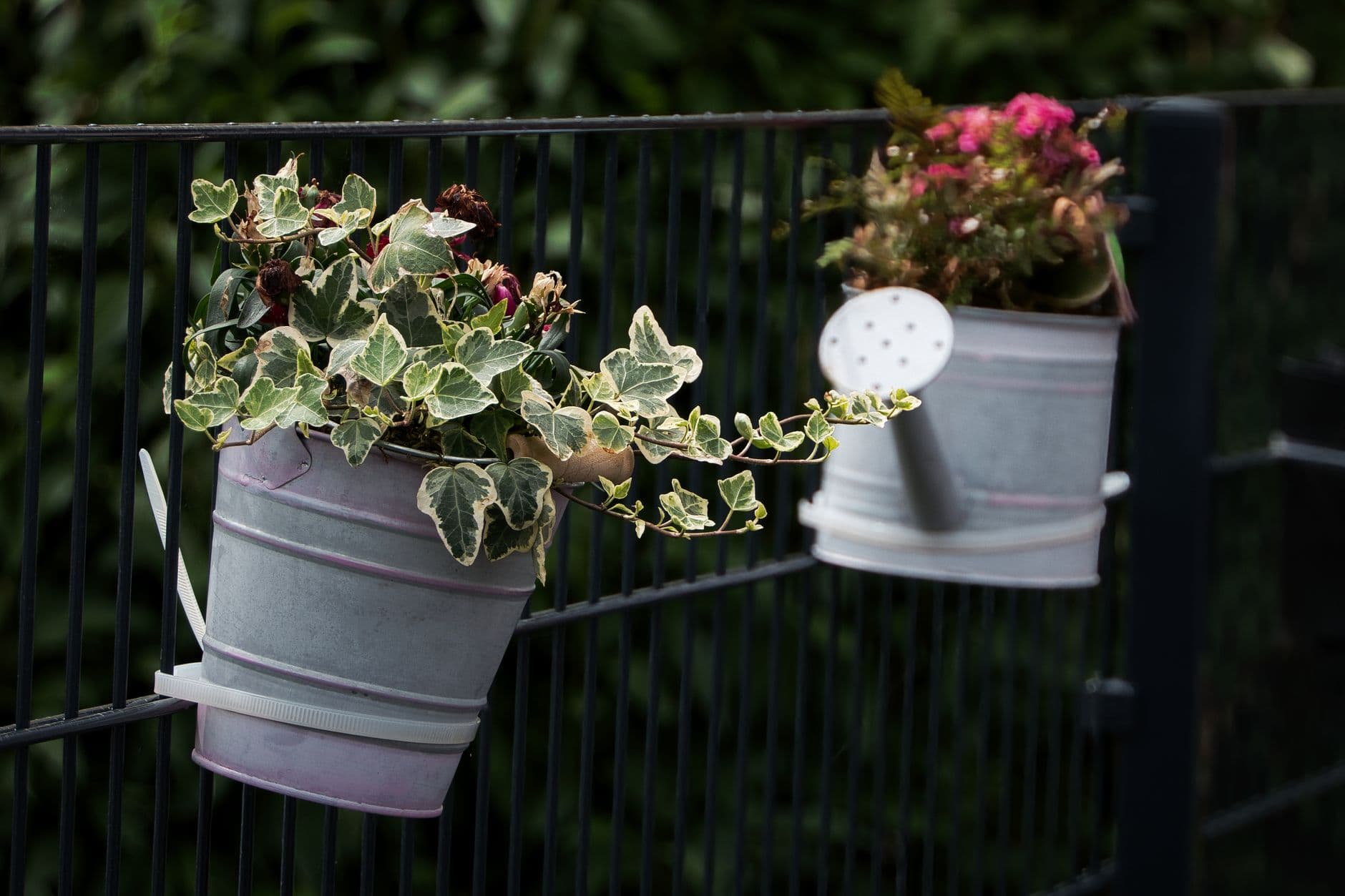
When selecting containers for a small balcony, prioritize materials that are both lightweight and durable—plastic, fiberglass, or resin work well. Avoid clustering heavy pots in one spot; distribute them evenly to prevent stressing the floor. Always leave at least 24 inches of clear walkway for safe movement and emergency access. If you are considering railing planters, use only those specifically designed for your railing type and secure them properly. Never place anything on a railing unless it is approved and stable.
Watering Without Worry: Preventing Runoff and Mold
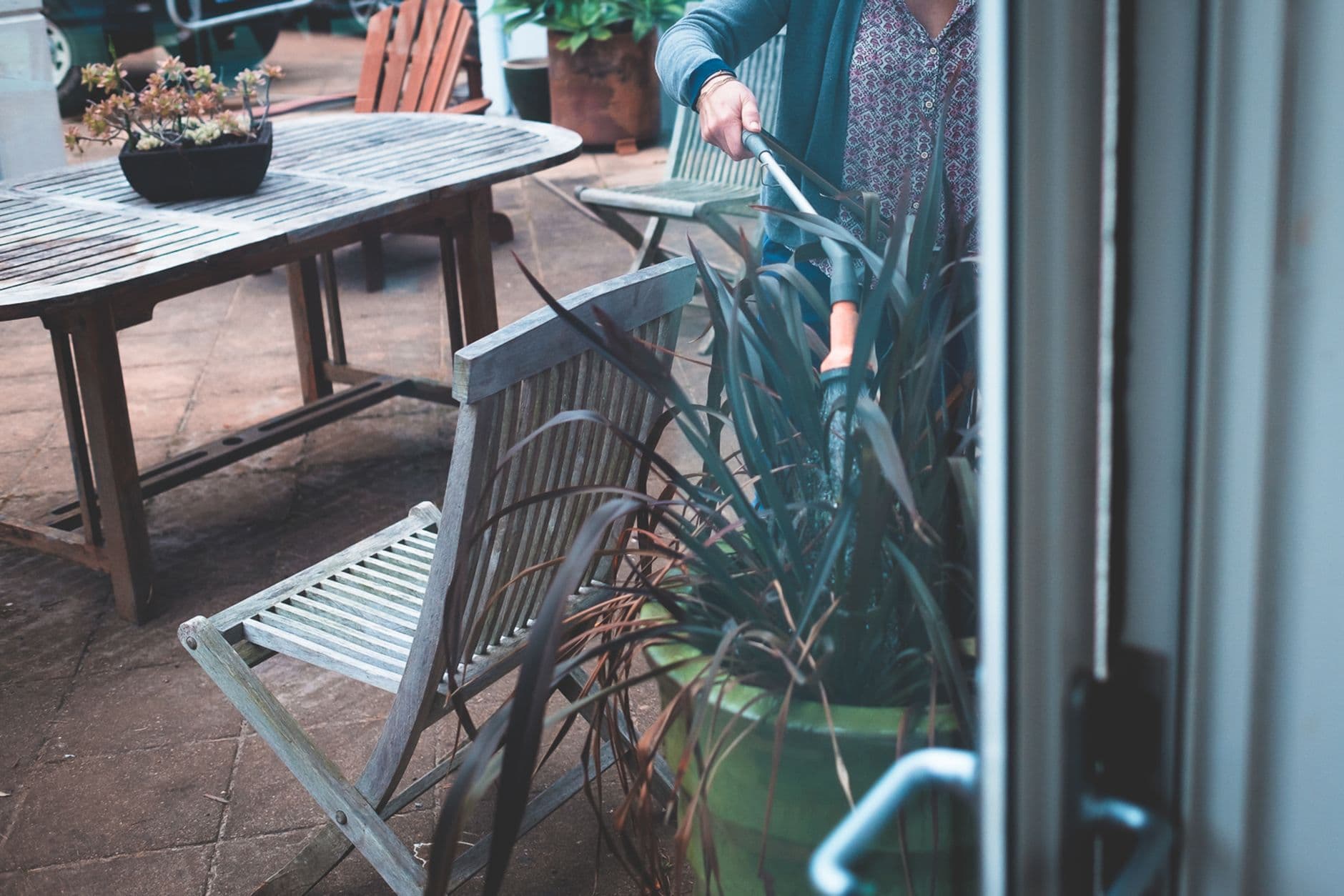
Balcony plants dry out quickly, but overwatering can cause major problems. Always use containers with drainage holes and matching saucers to catch excess water. Before watering, check the soil by hand—do not rely on a schedule alone. Never let water overflow onto neighbors' balconies or public walkways. If you notice pooling or persistent dampness, reduce watering and check for leaks or blocked drains. For mold prevention and cleanup, follow official guidance and act quickly if you spot any growth.
Sample Setup: A Safe Balcony Plant Corner
Take a typical city apartment balcony, about 5 by 8 feet, with basic concrete flooring and metal railings. A safe, effective plant setup might look like this:
1. Check the load rating: Building management confirms a 50 lbs/sq ft live load limit. Choose four lightweight resin pots (each ~8 lbs filled) and a small wooden shelf (15 lbs).
2. Confirm rules: The building allows free-standing containers but bans hanging planters on railings. Keep all pots on the floor and away from the edge.
3. Map the microclimate: The balcony faces east, getting morning sun and moderate wind. Choose plants suited for part sun and wind tolerance.
4. Arrange containers: Space pots along the wall, not clustered, leaving a clear path to the door. Use the shelf for smaller herbs, secured to prevent tipping.
5. Watering routine: Set each pot on a deep saucer. Check soil moisture by hand and water sparingly. Monitor overflow, and wipe up any spills immediately.
6. Seasonal care: At season's end, empty soil into a compost bag (never down the drain), clean containers, and store them indoors for winter.
This setup balances plant enjoyment with safety, compliance, and easy maintenance—no heavy lifting, no code violations, and no headaches for neighbors.
A successful balcony garden requires regular checks. Inspect pots and shelves after storms or strong winds, and never let debris block drains or exits. Keep walkways clear and avoid storing tools or soil in open bags. If you are in a shared building, be proactive about preventing water runoff and falling objects. Document your setup and any incidents in case of future questions from management or neighbors.
When to Call a Professional
If you ever notice cracks, sagging, rust, or water damage on your balcony, stop your project and contact a qualified building professional. Likewise, if you are unsure about the load your balcony can handle or how to safely anchor planters, do not guess—get expert advice. For persistent mold or moisture issues, consult official cleanup guides and consider professional remediation if the problem is extensive.
U.S. Consumer Product Safety Commission, Recalls — referenced for checking planter, shelf, and container recalls relevant to outdoor use. https://www.cpsc.gov/Recalls
U.S. Environmental Protection Agency, Indoor Air Quality — provided context for ventilation and air quality when using soil and water on small balconies. https://www.epa.gov/indoor-air-quality-iaq
Hazel Bennett covers DIY projects and outdoor spaces for TopicFlex. She focuses on stepwise project planning, material lists, and outdoor-space improvements that renters and homeowners can approach carefully.
Outdoor furniture takes a beating from sun, rain, and temperature swings. Seasonal care extends its life, keeps surfaces safe to use, and helps you catch damage before it becomes a bigger problem. Here is what to do for a typical mixed-material set, from cleaning and drying to storage and storm prep.
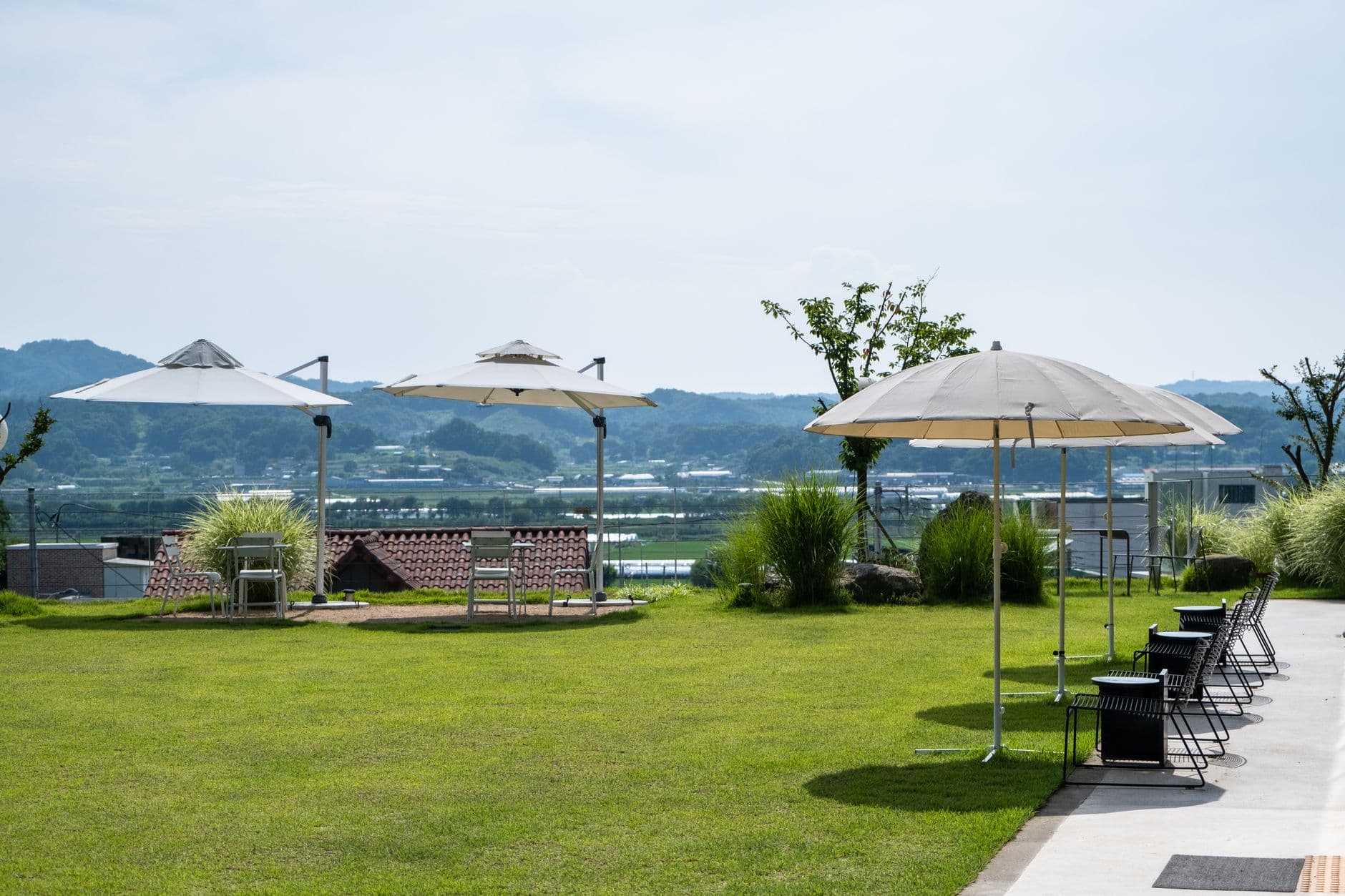
Seeking relief from the sun on a small patio can lead to unexpected safety risks if you don’t account for the wind. Many homeowners are tempted by budget shade sails, umbrellas, or pop-ups, but these options can quickly become projectiles or collapse in a gust. This editorial walks through practical, wind-safe strategies for adding shade to a compact outdoor space, highlighting which features to prioritize, what to avoid, and how to blend comfort with caution. Whether you’re eyeing a DIY upgrade or considering a modest investment, you’ll find actionable guidance to keep your patio cool and secure.
Renters can brighten a porch, balcony, or patio without drilling holes or risking a deposit—but only if the fixtures and cords are rated for outdoor use and installed with temporary hardware. Here is what to buy, where to place it, and how to hang weatherproof string lights you can take down when you move.
Balcony and patio container gardens can transform small outdoor spaces into lush retreats, but inconsistent watering often leads to stressed plants and wasted effort. Establishing a realistic balcony container watering routine is essential for thriving greenery and a manageable daily schedule. This editorial guides you through planning a routine that fits your life, addresses safety and maintenance, and ensures your plants are both healthy and resilient—whether you’re a morning person, a weekend warrior, or somewhere in between.