Adding Shade to a Small Patio Without Creating a Wind Hazard
Seeking relief from the sun on a small patio can lead to unexpected safety risks if you don’t account for the wind. Many homeowners are tempted by budget shade sails, umbrellas, or pop-ups, but these options can quickly become projectiles or collapse in a gust. This editorial walks through practical, wind-safe strategies for adding shade to a compact outdoor space, highlighting which features to prioritize, what to avoid, and how to blend comfort with caution. Whether you’re eyeing a DIY upgrade or considering a modest investment, you’ll find actionable guidance to keep your patio cool and secure.
The Problem: Shade Solutions Can Become Wind Hazards
Adding shade to a small patio is a practical way to extend outdoor living, but many common solutions—like freestanding umbrellas or lightweight canopies—pose a real risk in windy conditions. When the wind picks up, these items can tip, tear, or even take flight, threatening property and personal safety. For small spaces where anchoring options are limited and airflow can be unpredictable, a wind-safe approach to shade is essential. Homeowners need to weigh not just comfort, but also the risks and responsibilities that come with any shade addition. The challenge is to find a balance between enjoying your outdoor space and ensuring that your shade solution doesn't become a liability during a sudden summer squall. Even a seemingly gentle breeze can be amplified by the layout of buildings, fences, and landscaping, turning a lightweight umbrella into a hazard. The consequences can range from minor property damage to serious injury, especially in tight neighborhoods or shared spaces. Considering both the microclimate of your patio and the prevailing weather patterns in your region is the first step toward a safe, comfortable retreat.
References
When evaluating patio shade options, stability should be the top criterion. Look for features like:
Permanent or semi-permanent mounting (wall- or deck-anchored)
Vented canopies or umbrellas
Low center of gravity
Minimal surface area exposed to gusts
Avoid solutions that are purely freestanding or rely on sandbags/weights for stability in exposed areas. According to the U.S. Consumer Product Safety Commission, improperly secured outdoor products are a frequent source of injury and property damage during storms and high winds (https://www.cpsc.gov/Safety-Education/Safety-Guides/Home). A thorough inspection of the installation site is also necessary—check for loose pavers, uneven ground, or areas where water pools, as these can undermine even the best-designed shade structures. If your patio is on a balcony or rooftop, consult building management or a qualified contractor before making modifications. Remember, the best shade solution is one you can trust to stay put, even when you're not home.
For compact patios with adjacent walls, a retractable or fixed awning is one of the safest and most durable shade solutions. Properly installed, wall-mounted awnings anchor directly into masonry or studs, distributing wind loads and reducing the risk of uplift. Retractable models allow you to close the awning during storms or off-season, extending its lifespan and minimizing maintenance. Installation often requires drilling and secure fasteners—if you’re unsure about your wall’s structure or the load requirements, call a professional to avoid improper mounting. Some awnings feature built-in wind sensors that automatically retract the fabric when gusts exceed a certain threshold, offering peace of mind for those who travel or leave their awning extended during the day. Material selection is also important: high-quality acrylic fabrics resist UV damage and mildew, while powder-coated aluminum frames offer corrosion resistance. Regularly inspect mounting hardware, especially after severe weather, and keep the awning clean to prevent debris buildup that could interfere with retraction mechanisms. For renters or those with HOA restrictions, check local guidelines before installation—some models are designed for temporary use and can be removed seasonally without leaving permanent marks.
Pergolas and Trellises: Permanent, Customizable Shade
A small pergola or trellis, anchored to the patio or adjacent wall, provides a stable framework for shade without creating a solid surface for wind to catch. Open lattice designs allow airflow, reducing wind pressure, while climbing plants or shade cloth can be added for extra coverage. Choose rot-resistant wood or metal, and ensure posts are set in concrete or securely fastened to masonry. For plant choices that thrive in containers and support sustainable watering, check guidance from the University of Minnesota Extension (https://extension.umn.edu/yard-and-garden) and EPA WaterSense (https://www.epa.gov/watersense/outdoors). A pergola can be customized to fit even the smallest spaces—think a single-beam trellis with a vine like clematis or trumpet honeysuckle, or a corner pergola that frames a bistro set. The modular nature of these structures means you can add or remove shade elements seasonally, swapping out dense shade cloth for a lighter mesh or letting plants go dormant in winter. Maintenance is straightforward: inspect wood for rot and metal for rust, and prune plants to prevent overgrowth that could add unwanted weight or block airflow. For those with a green thumb, integrating edible vines or pollinator-friendly flowers can turn your shade structure into a mini-ecosystem, attracting bees and butterflies while cooling your patio.
Vented Umbrellas and Canopies: Safer, But Not Foolproof
If a freestanding option is your only choice, opt for a patio umbrella or canopy with a vented top. These allow wind to pass through, reducing the risk of lift. Still, even vented models must be properly weighted and closed when not in use. Never leave an umbrella open in an unattended, windy area. For small patios, a wall-mounted cantilever umbrella is often safer than a center-pole model, as it can be more securely anchored. Always check for product recalls before purchase or installation (https://www.cpsc.gov/Recalls). Some umbrellas come with weighted bases that can be filled with water or sand, but these are only effective if filled to capacity and checked regularly for leaks or cracks. If your patio is exposed to frequent gusts, consider using tie-down straps or brackets designed specifically for your umbrella model. When shopping, look for canopies with reinforced ribs and double-stitched seams—these details can make a significant difference in durability. If you notice any wobbling or instability, address it before the next use. For renters, compact umbrellas with weighted bases may be the only option, but always prioritize models with a proven safety record and avoid using them during storms.
Shade sails are popular for their affordability and sleek look, but they require careful installation and tensioning to be wind safe. Sails must be anchored to solid posts or walls at the correct angle to shed wind, not trap it. Avoid using existing patio railings or lightweight posts—they’re rarely strong enough for even moderate gusts. If you’re unsure about your anchoring points, consult a professional. For renters or those with limited permission to alter structures, consider smaller, less tensioned sails or skip this option entirely. The key to a safe shade sail is tension: a loose sail will flap and strain its anchors, while an overly tight sail can put stress on mounting points. Use hardware rated for outdoor use, and inspect connections for signs of corrosion or fatigue. During storm season or when high winds are forecast, remove the sail or loosen it to prevent damage. Some homeowners opt for triangular sails, which shed wind more effectively than large rectangles. If you want to combine multiple sails for coverage, stagger their heights and angles to avoid creating a wind trap. Regular cleaning and inspection will extend the life of your sail and keep your patio safe.
Integrating Plants for Shade and Comfort
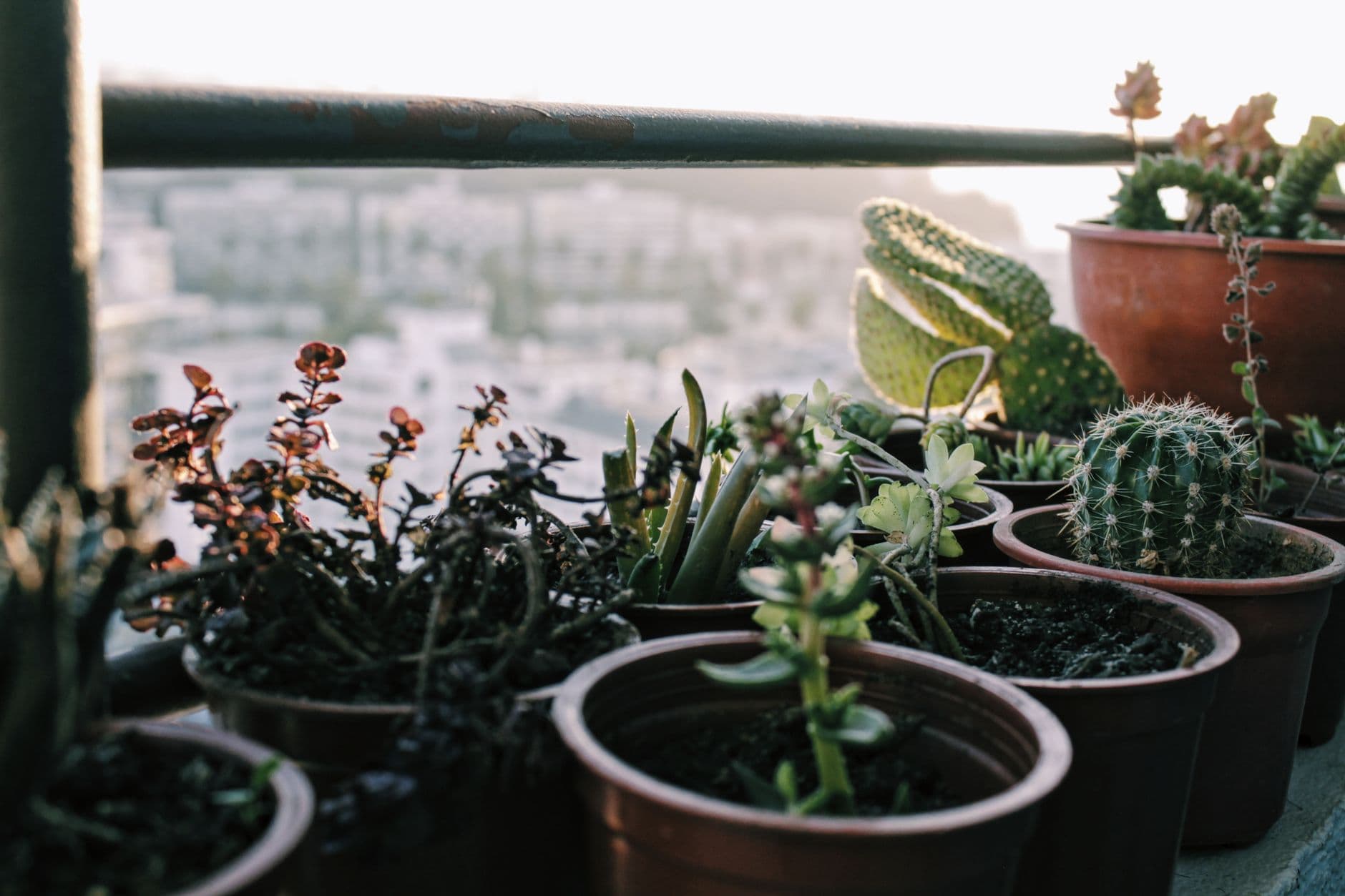
Strategically placed container plants can provide dappled shade while softening the patio’s microclimate. Tall grasses, vines on trellises, or small trees in sturdy pots can block sun without creating a wind hazard. This approach also supports local pollinators and reduces heat buildup on hard surfaces. Learn more about prepping balcony or patio plants for small spaces at /posts/balcony-plants-prep-small-spaces. For best results, choose species suited for your climate and container size, and follow sustainable watering practices. The University of Minnesota Extension recommends drought-tolerant species like switchgrass, serviceberry, or potted evergreens for northern climates, while the EPA WaterSense program offers tips for minimizing water waste. Use heavy, wide-bottomed pots to prevent tipping, and group containers to create a windbreak effect. For patios with limited sun, shade-loving ferns or hostas can thrive in containers and provide a lush backdrop. Rotate plants seasonally and refresh soil annually to keep your living shade healthy and resilient.
Low-Profile Furniture and Flexible Accessories
Opt for shade solutions that double as furniture or blend into your existing setup. For example, a bench with a built-in canopy or a rolling planter box with a trellis offers shade without increasing wind exposure. When investing in outdoor furniture, consider seasonal care to prolong life and maintain safety—see tips at /posts/patio-furniture-seasonal-care. Multi-purpose pieces are especially valuable on small patios, where every square foot counts. Look for modular seating with integrated shade panels or side tables that can support a small, adjustable umbrella. Flexible accessories like clip-on sunshades or retractable side screens can be deployed as needed and stowed away before storms. Prioritize items with rounded edges and sturdy construction—lightweight plastic furniture is more likely to shift or blow over in a gust. If you entertain often, consider stackable chairs and collapsible tables that can be quickly moved or secured when the weather turns. Regular cleaning and inspection will help you spot early signs of wear, such as cracked joints or faded fabrics, before they become safety issues.
Whatever shade solution you choose, regular inspection is key. Check all fasteners and anchors before the windy season, and after any major storm. Replace worn or frayed materials immediately. Remove or secure any loose accessories that could become airborne. For patios prone to pooling water, ensure your shade structure doesn’t trap moisture against the house, as this can lead to mold or structural issues (see EPA guidance on moisture and ventilation: https://www.epa.gov/indoor-air-quality-iaq). Maintenance should be part of your seasonal routine: clean awning fabrics to prevent mildew, lubricate retractable mechanisms, and tighten bolts or screws that may have loosened over time. If you notice rust or corrosion on metal parts, treat them promptly to prevent structural failure. For wood structures, reseal or repaint as needed to protect against rot. Keep a checklist of maintenance tasks and set reminders before the start of each season. If you ever feel unsure about the integrity of your shade installation, consult a professional—especially after severe weather or if you notice cracks, sagging, or movement at anchor points. Safety should always come first, and a little preventive care goes a long way toward protecting your investment and your peace of mind.
Smart Practices for Every Patio
Adding shade to a small patio is about more than just blocking the sun—it's a matter of safety, comfort, and long-term enjoyment. Prioritize solutions that are securely anchored, use vented or open designs to minimize wind pressure, and avoid anything that could become airborne in a storm. Integrate living elements like container plants for both beauty and function, and choose furniture that serves multiple purposes without increasing wind risk. Regular maintenance and seasonal checks are essential, especially as weather patterns grow more unpredictable. By taking a thoughtful, criteria-driven approach, you can transform even the smallest patio into a cool, inviting retreat that stands up to the elements. Whether you’re a DIY enthusiast or prefer to call in the pros, the right balance of shade, safety, and style is within reach for every outdoor space.
Hazel Bennett covers DIY projects and outdoor spaces for TopicFlex. She focuses on stepwise project planning, material lists, and outdoor-space improvements that renters and homeowners can approach carefully.
A small balcony can hold a lot of green, but only if you respect load limits, building rules, and drainage before you buy the first pot. Here is how to prep a compact plant corner that stays compliant, stable, and easy to maintain.
Outdoor furniture takes a beating from sun, rain, and temperature swings. Seasonal care extends its life, keeps surfaces safe to use, and helps you catch damage before it becomes a bigger problem. Here is what to do for a typical mixed-material set, from cleaning and drying to storage and storm prep.
Renters can brighten a porch, balcony, or patio without drilling holes or risking a deposit—but only if the fixtures and cords are rated for outdoor use and installed with temporary hardware. Here is what to buy, where to place it, and how to hang weatherproof string lights you can take down when you move.
Balcony and patio container gardens can transform small outdoor spaces into lush retreats, but inconsistent watering often leads to stressed plants and wasted effort. Establishing a realistic balcony container watering routine is essential for thriving greenery and a manageable daily schedule. This editorial guides you through planning a routine that fits your life, addresses safety and maintenance, and ensures your plants are both healthy and resilient—whether you’re a morning person, a weekend warrior, or somewhere in between.