Cordless Drill Features for Beginners: What to Look For

- •Facing the First Drill Decision
- •Drill Features That Matter for Home Use
- •Safety Considerations: Avoiding Common Pitfalls
- •Matching Drill Types to Common Home Projects
- •How to Evaluate Drill Ergonomics in Store
- •Battery Basics: What to Know Before You Buy
- •Checklist: Core Features to Look For
- •Installing Wall Shelves: Putting the Features to Work
- •When to Seek Professional Help
- •References
Facing the First Drill Decision
Drill Features That Matter for Home Use
- Adjustable clutch: Prevents overdriving screws and damaging materials.
- Variable speed trigger: Allows precise control, especially when starting holes or driving fasteners.
- Keyless chuck: Makes bit changes quick and tool-free.
- Battery platform: Determines runtime, weight, and compatibility with other tools.
- Built-in work light: Improves visibility in tight or dim spaces.
Safety Considerations: Avoiding Common Pitfalls
Matching Drill Types to Common Home Projects
- Compact/light-duty (typically 12V): Best for furniture assembly, hanging pictures, and other light tasks where control and low weight matter.
- General-purpose (18V or 20V): Handles most household drilling and driving, including light woodwork and occasional masonry with the right bit.
- Heavy-duty (hammer drill, high-torque): Reserved for more demanding jobs—often more than a beginner needs.
How to Evaluate Drill Ergonomics in Store
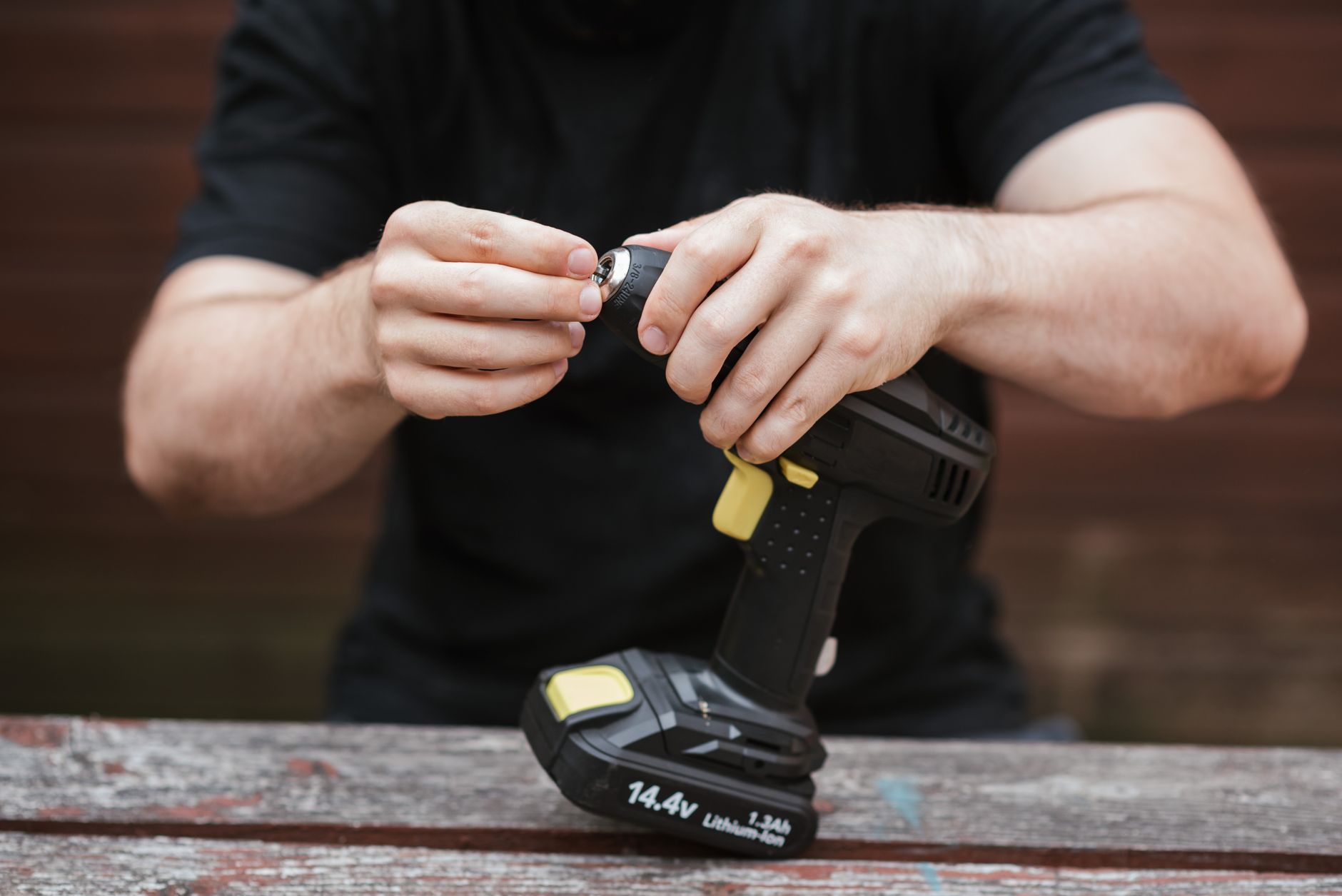
- Hold it as you would during a real project. Is the grip comfortable for your hand size?
- Test the trigger—can you smoothly vary the speed from slow to fast?
- Check the balance with a battery installed. A front-heavy drill can tire your wrist quickly.
Battery Basics: What to Know Before You Buy
Checklist: Core Features to Look For
- Adjustable clutch with multiple settings
- Smooth variable speed trigger
- Keyless chuck for easy bit changes
- Battery system compatible with other tools you own or plan to buy
- Built-in LED work light
Installing Wall Shelves: Putting the Features to Work
When to Seek Professional Help
References
Ready.gov, Home Fires — preparedness actions for common household fire hazards, and guidance on safe tool use in the home. https://www.ready.gov/home-fires
Centers for Disease Control and Prevention, Chemical Emergencies — high-level chemical exposure framing for household product misuse and DIY project cleanup. https://www.cdc.gov/chemical-emergencies/index.html
Poison Control (poison.org) — immediate guidance resource when household chemicals are swallowed or misused during DIY. https://www.poison.org/
U.S. Environmental Protection Agency, Safer Choice — product-label program useful when choosing household cleaners for DIY jobs and post-project cleanup. https://www.epa.gov/saferchoice
CDC NIOSH, Falls in the Workplace — fall-hazard context applicable to household ladder use and overhead drilling tasks. https://www.cdc.gov/niosh/topics/falls/
Article information

About the author
Scarlett HayesTools, Organization & Smart Home Contributor
Scarlett Hayes writes TopicFlex's tools, organization, and smart-home basics. She explains product categories, storage systems, and beginner-friendly automation ideas.
More from Scarlett →This information is general and is not a substitute for professional advice for your specific situation.