Entryway Drop Zone Systems That Actually Get Used

- •Why Entryways Fall Apart So Fast
- •What Makes a Drop Zone Work
- •Safety Comes First: Hazards and How to Avoid Them
- •Matching Drop Zone Features to Household Habits
- •Setting Up a Drop Zone for a Busy Family Entry
- •Quick Reference: Common Drop Zone Elements and Their Uses
- •Scaling Up or Down: Adjusting for Space and Household Size
- •Smart Lighting and Entry Tech: When to Add, When to Hold Back
- •Maintaining Your Drop Zone: The Five-Minute Reset
- •Troubleshooting: When Your Drop Zone Is Not Working
- •References
Why Entryways Fall Apart So Fast
What Makes a Drop Zone Work
- Observe before you organize: Watch how everyone enters, exits, and sets things down for several days. Your system should echo these routines, not fight them.
- Assign clear, obvious homes: Every essential—keys, shoes, bags, mail—needs a dedicated spot that is instantly recognizable and easy to reach.
- Keep pathways open: Entryways are escape routes in emergencies. Never sacrifice clear egress for storage.
- Prioritize safety: Secure all shelving, hooks, and racks so nothing can tip or fall. For heavy or mounted items, proper installation is critical.
- Limit to active essentials: Only store what is needed for the current season or week. Out-of-rotation items belong elsewhere.
- Routine resets: A quick, regular tidy keeps the system from unraveling.
Safety Comes First: Hazards and How to Avoid Them
Matching Drop Zone Features to Household Habits
- Hooks for keys, bags, and light jackets
- Shoe racks or mats for regularly worn pairs
- Small baskets or trays for mail and loose items
- A bench if you need to sit while putting on shoes
- Charging station if devices are dropped off at the door
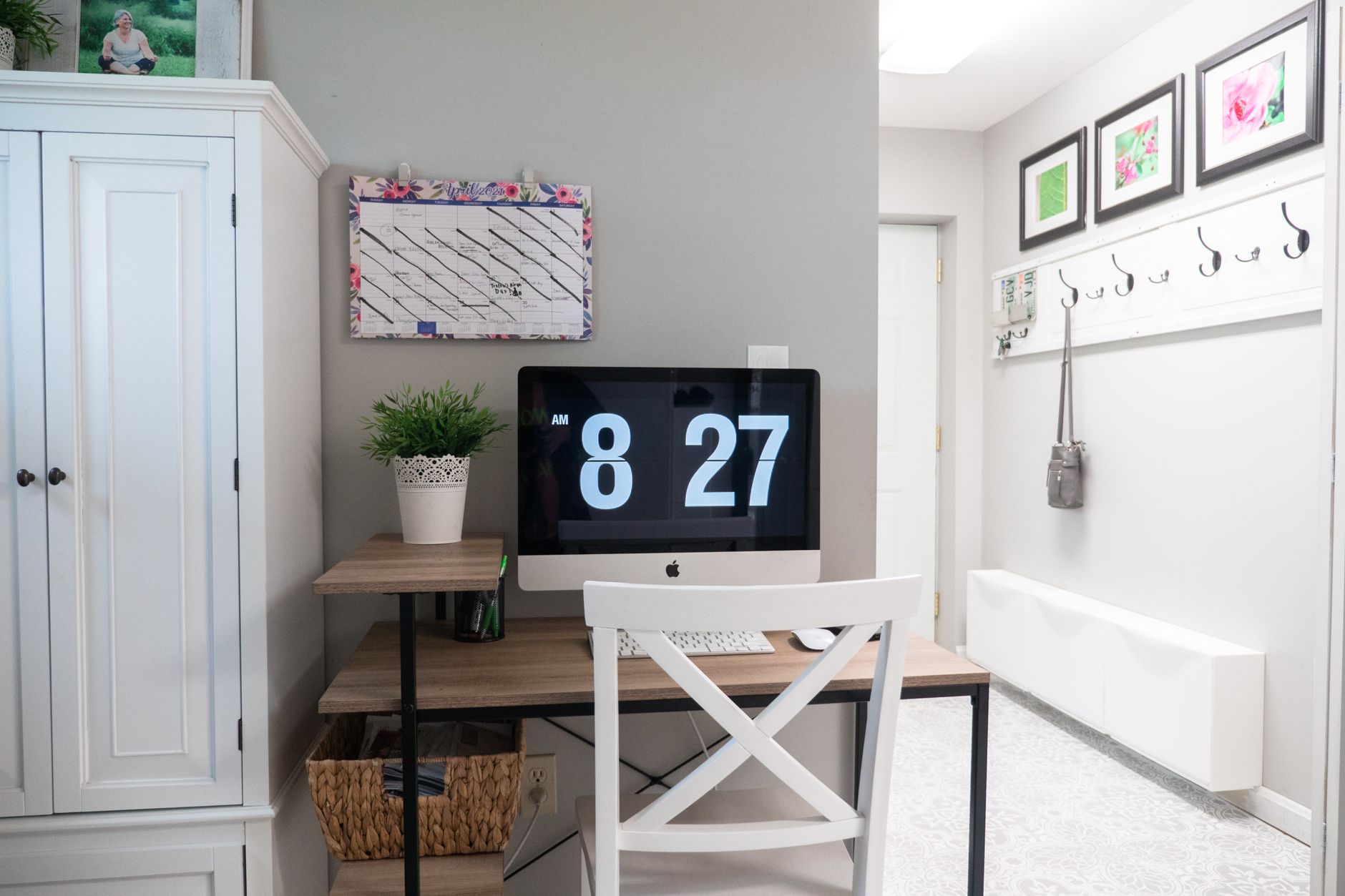
Setting Up a Drop Zone for a Busy Family Entry
- Shoes and backpacks pile up near the door
- Mail ends up on the kitchen counter
- Keys are left in coat pockets
- Each person needs space for shoes, a bag, and outerwear
- A spot for incoming mail and keys
- Wall-mounted hooks at two heights: lower for kids, higher for adults
- A low-profile shoe rack that fits beneath the hooks
- A wall-mounted tray for mail and a small bowl for keys, both by the door
- Bench with storage cubbies, if floor space allows
- Find wall studs for heavy hooks and bench anchoring
- Use appropriate anchors for plaster or drywall
- Double-check that nothing blocks the door's swing or the path into the kitchen
- If a ladder is needed, follow ladder safety basics (see reference)
- Add simple labels or colored markers for each family member's hook and cubby
- Explain the new setup, and demonstrate where everything goes
- Every Sunday, clear out extra shoes and old mail, and check that all items are in their place
Quick Reference: Common Drop Zone Elements and Their Uses
| Element | Best For | Key Consideration |
|---|---|---|
| Hooks | Keys, bags, jackets | Mount into studs or use strong anchors |
| Shoe rack/mat | Active footwear | Keep clear of door path |
| Bench with storage | Seating, bulky items | Anchor securely to prevent tipping |
| Mail tray | Letters, small items | Mount at eye level for visibility |
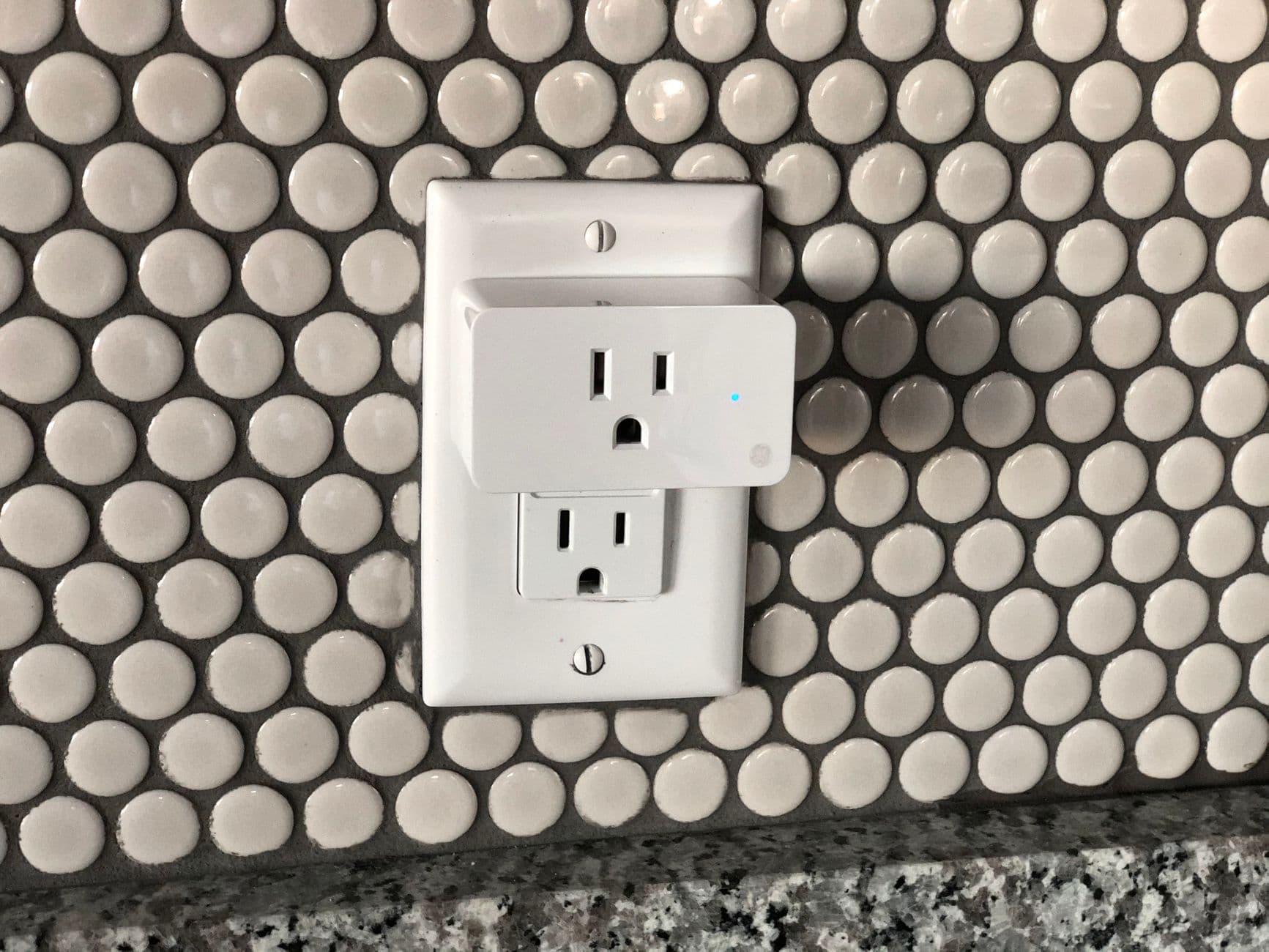
| Charging station | Phones, tablets | Avoid overloading outlets |
Scaling Up or Down: Adjusting for Space and Household Size
Smart Lighting and Entry Tech: When to Add, When to Hold Back
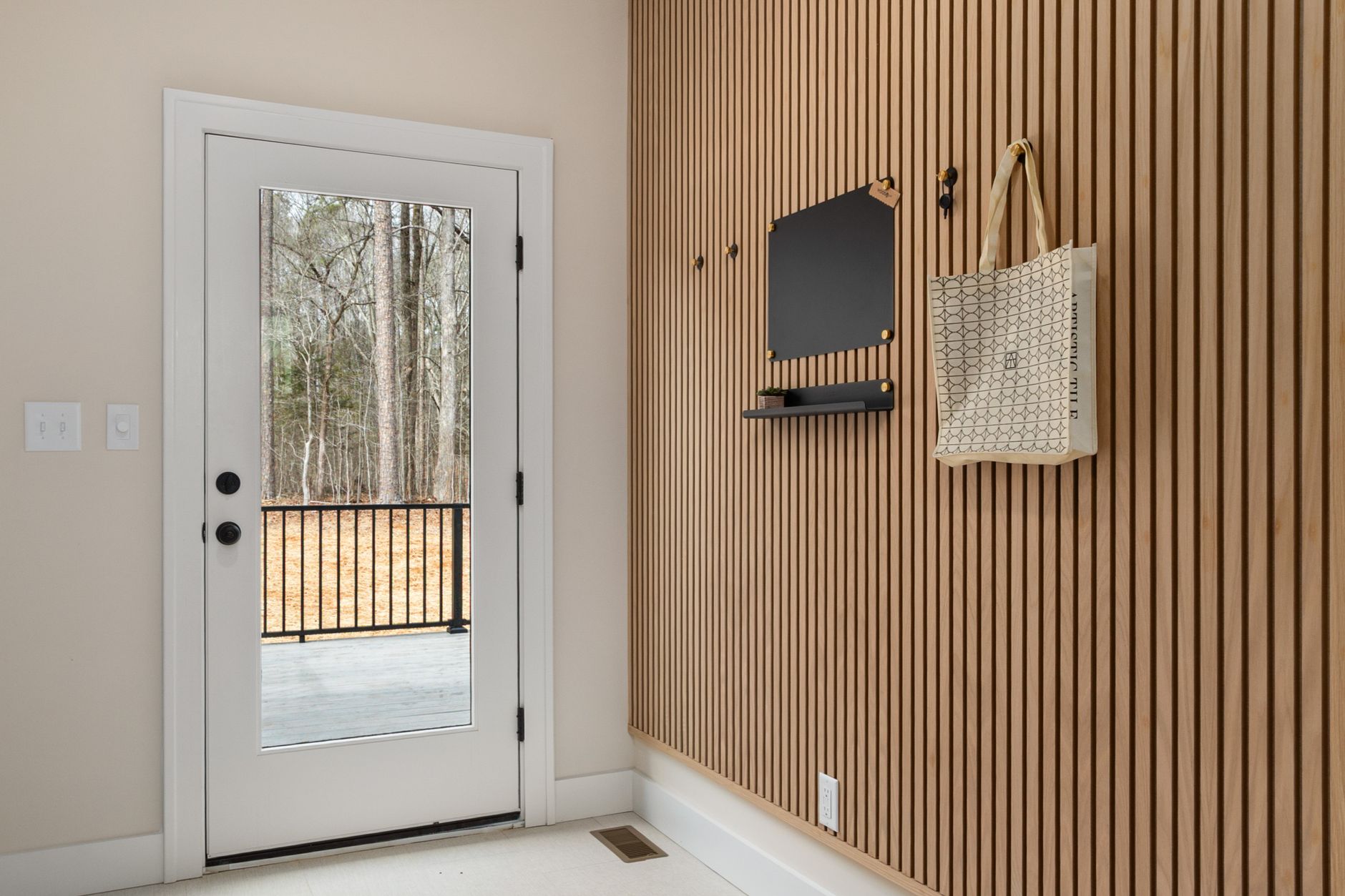
Maintaining Your Drop Zone: The Five-Minute Reset
- Return stray items to their designated spots
- Remove out-of-season shoes and coats
- Recycle or file old mail
- Check that nothing blocks exits
Troubleshooting: When Your Drop Zone Is Not Working
- Storage is in the wrong spot (too far from the door or main path)
- Too many steps required (closed cabinets, high shelves)
- Not enough capacity for household size
- Safety issues (blocked exits, unstable shelves)
References
U.S. Consumer Product Safety Commission, Home Safety Guides—used for general safety considerations and safe installation practices for home entryway organization. https://www.cpsc.gov/Safety-Education/Safety-Guides/Home
CDC NIOSH, Falls in the Workplace—applied for ladder safety guidance relevant to entryway installations. https://www.cdc.gov/niosh/topics/falls/
U.S. Environmental Protection Agency, Lead Renovation, Repair and Painting Program—consulted for lead paint precautions before disturbing old painted surfaces. https://www.epa.gov/lead/lead-renovation-repair-and-painting-program
U.S. Consumer Product Safety Commission, Recalls—checked for recent recalls on home organization products, hooks, or shelving. https://www.cpsc.gov/Recalls
U.S. Environmental Protection Agency, Indoor Air Quality—referenced for ventilation and air quality context when adding storage or new materials to entryways. https://www.epa.gov/indoor-air-quality-iaq
Article information

About the author
Scarlett HayesTools, Organization & Smart Home Contributor
Scarlett Hayes writes TopicFlex's tools, organization, and smart-home basics. She explains product categories, storage systems, and beginner-friendly automation ideas.
More from Scarlett →This information is general and is not a substitute for professional advice for your specific situation.