Mapping Water, Gas, and Electrical Shutoffs Before an Emergency
When a pipe bursts or you smell gas, you need to know where the shutoffs are—not guess. A simple utility map, posted where everyone can find it, gives your household a clear plan before a crisis hits.
In an emergency, every second counts. Whether it is water gushing from a broken pipe, a sparking outlet, or the faint odor of gas, hesitation can mean damage or danger. Yet most households do not have a readily accessible map showing where to turn off water, gas, or electricity. In multi-story homes or older properties, shutoff points are often tucked away in basements, garages, or outdoor boxes. A home utility shutoff map ensures that everyone—from teens to visiting relatives—knows exactly where to go and what to do, reducing panic and property loss.
What a Good Shutoff Map Includes
A useful shutoff map is more than a rough sketch. It should be clear, accurate, and accessible. Keep these points in mind:
Comprehensiveness: Map all major shutoff points—main water, gas, and electrical service, plus any subpanels or isolation valves.
Clarity: Use simple diagrams, labels, and color-coding. Avoid technical jargon where possible.
Accessibility: Store both a physical copy in a known location (like an entryway drop zone—see /posts/entryway-drop-zone-systems) and a digital version that can be shared with household members.
Regular Updates: Revisit your map after renovations, appliance upgrades, or utility work.
Identifying Your Main Shutoff Points
Start by locating the main shutoff points for water, gas, and electricity:
Water: The main water shutoff is often near where the water line enters your home—commonly in a basement, crawlspace, or utility closet. For homes with wells, look for the pressure tank.
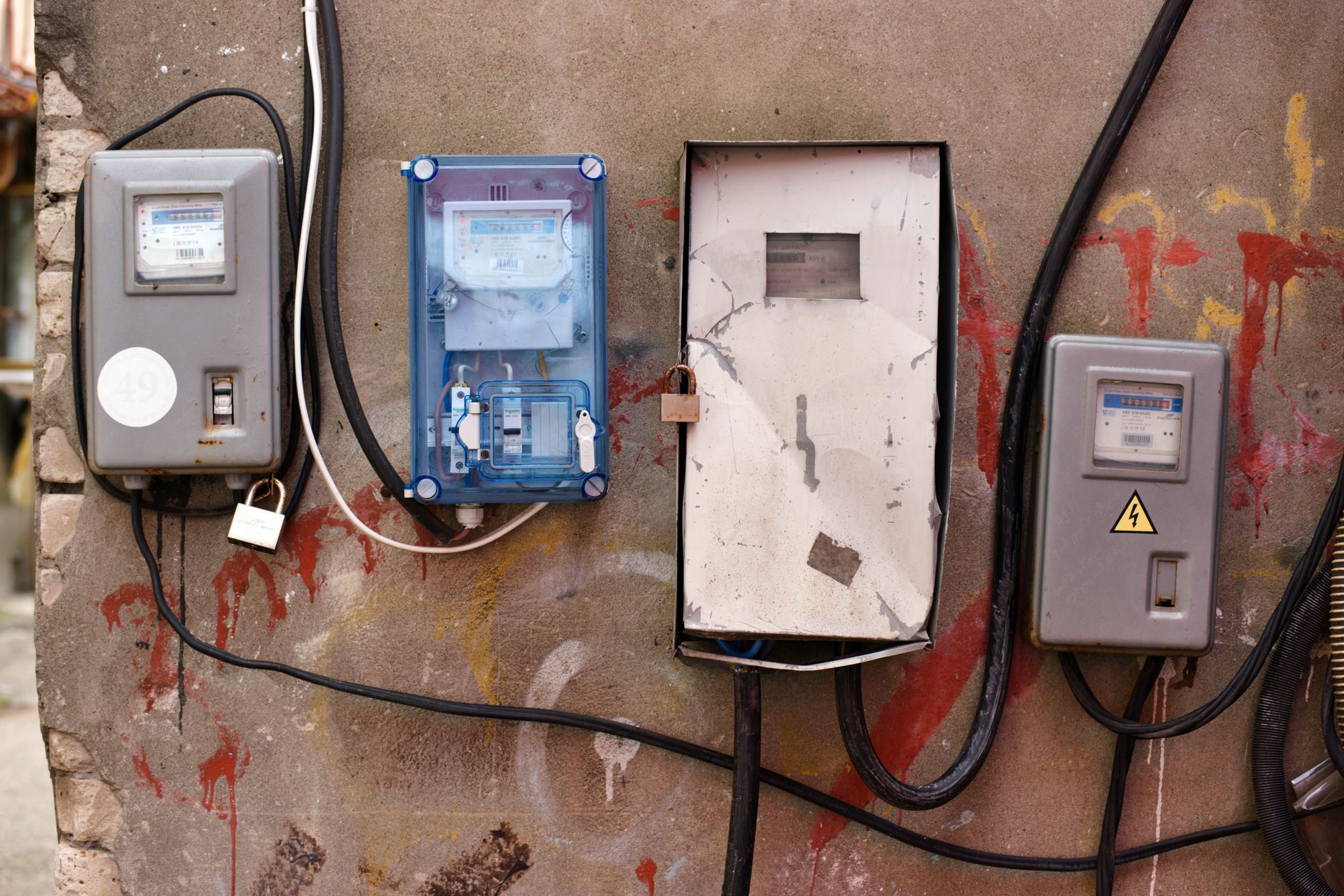
Gas: The main gas shutoff is usually located at the gas meter, outside or in a utility area. If you smell gas, always evacuate and call your utility provider or 911 before attempting any shutoff.
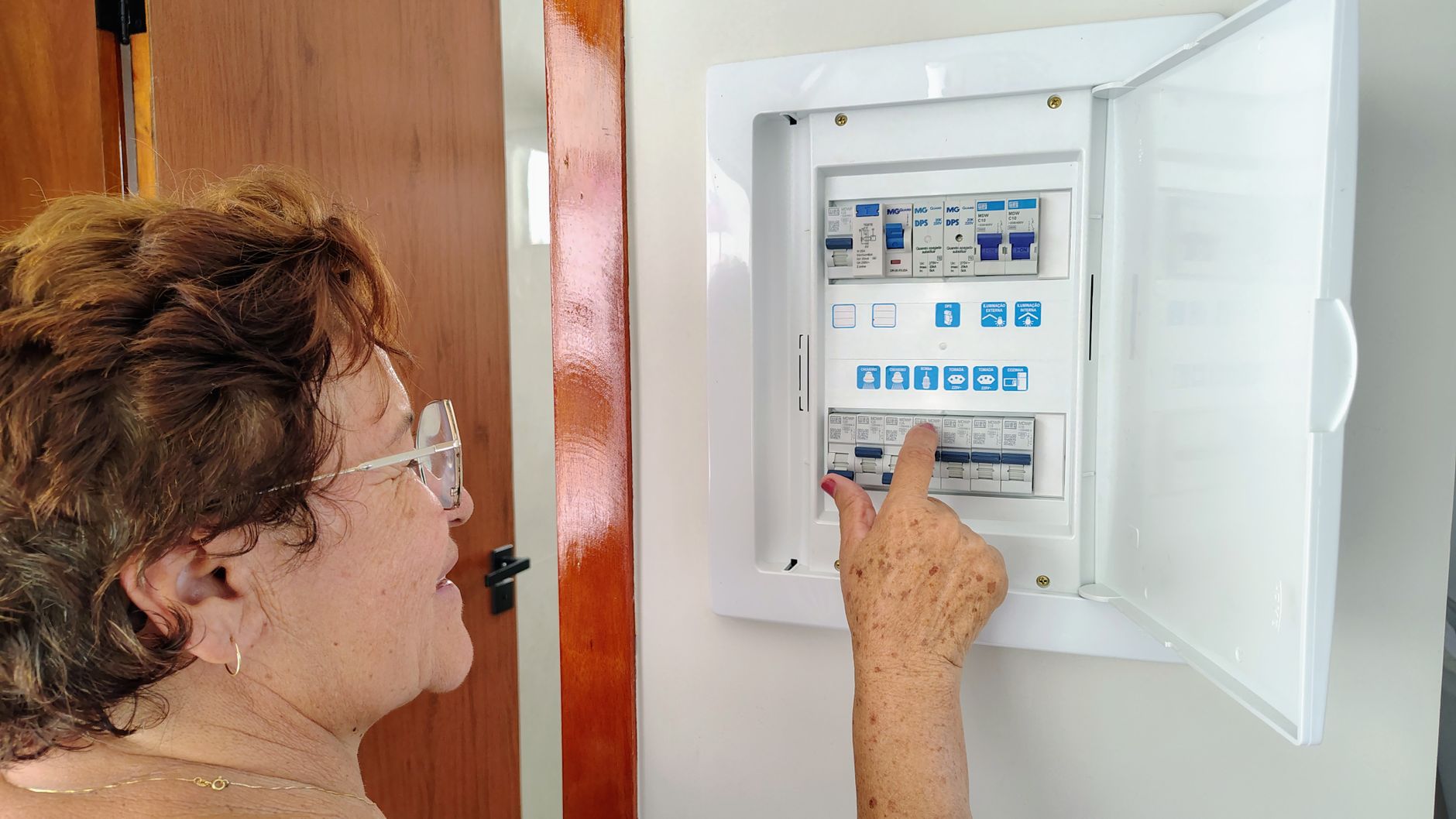
Electricity: The main electrical disconnect is typically in the service panel (breaker box), often in a garage, basement, or exterior wall. Some homes have subpanels for additions or outbuildings.
If you are unsure about identifying or operating any shutoff, especially with gas or complex electrical panels, consult a licensed professional. The U.S. Consumer Product Safety Commission stresses the importance of understanding your home's systems to prevent hazards (https://www.cpsc.gov/Safety-Education/Safety-Guides/Home).
Documenting and Drawing Your Utility Map
Once you have identified all shutoff points, draw a basic floor plan of your home. Mark the location of each shutoff with a clear symbol—such as a drop for water, flame for gas, and lightning bolt for electricity. Include brief instructions for each (e.g., 'Turn handle clockwise to close'). Color-coding adds clarity: blue for water, yellow for gas, red for electricity.
Do not forget to include:
Subpanels or auxiliary shutoffs for additions, garages, or outbuildings
Emergency contacts and utility provider phone numbers
Post a laminated copy in a common area and share a digital version with all household members. For renters, provide a copy to your landlord or property manager.
Safety Considerations and When to Call a Professional
Shutting off utilities can be straightforward, but it is not always safe to DIY. For example, if you suspect a gas leak, evacuate immediately and call emergency services—do not attempt to shut off the gas yourself. When dealing with electrical panels, always use dry hands and stand on a dry surface. The CDC highlights the risk of falls and injury during at-home maintenance—use a sturdy ladder if shutoffs are overhead, and never overreach (https://www.cdc.gov/niosh/topics/falls/).
If a valve or breaker is damaged, stuck, or corroded, stop and call a qualified plumber or electrician. For leaks that continue after shutting off the main valve, see /posts/when-leak-needs-professional.
Sample Map: A Typical Suburban Home
For a single-family home with a basement and attached garage, a shutoff map might look like this:
1. Main Water Shutoff: Located in the basement, just after the water meter. Marked with a blue drop symbol. Instructions: 'Turn handle clockwise to close.'
2. Gas Shutoff: Outside at the gas meter, left side of the house. Marked with a yellow flame. Instructions: 'Use wrench to turn valve perpendicular to pipe.'
3. Main Electrical Panel: In garage near entry door. Marked with a red lightning bolt. Instructions: 'Flip main breaker to OFF.'
4. Irrigation Valve: In the backyard valve box. Blue drop symbol, labeled 'Sprinkler Main.'
On your floor plan, indicate each with a symbol and label. Attach emergency numbers beside the map. Store the laminated map in the mudroom, and share a PDF with all household members. This ensures that, whether it is a midnight pipe burst or a sudden electrical issue, everyone knows what to do and where to go.
A home utility shutoff map is only effective if everyone knows how to use it. Review the map with all residents, and walk through each shutoff location together. Practice turning off each utility under non-emergency conditions, following proper safety steps. Schedule an annual review—ideally during your spring or fall home maintenance routine. If you add appliances, remodel, or change landscaping, update the map accordingly.
Store your map in your entryway drop zone (see /posts/entryway-drop-zone-systems) for quick access. Encourage babysitters, house sitters, or guests to familiarize themselves with the map, especially if they will be home alone.
Beyond the Map: Preventive Maintenance and Safety
Regular maintenance is the best way to avoid emergencies that require a shutoff. Inspect valves and breakers for corrosion or damage, and test them periodically to ensure they operate smoothly. If you discover a stuck valve or faulty breaker, schedule professional service. The U.S. Consumer Product Safety Commission maintains a recall database (https://www.cpsc.gov/Recalls) that you can check if you suspect a faulty utility product or appliance.
For outdoor systems, the U.S. EPA WaterSense program offers guidance on efficient irrigation and leak detection (https://www.epa.gov/watersense/outdoors). Pairing preventive care with a clear shutoff map makes your home safer and more resilient.
References
U.S. Consumer Product Safety Commission, Home Safety Guides, provides household product safety education and guidance for identifying and managing utility shutoff points (https://www.cpsc.gov/Safety-Education/Safety-Guides/Home).
U.S. EPA WaterSense, Outdoors, provides outdoor water-efficiency and irrigation safety practices relevant to mapping and maintaining exterior water shutoffs (https://www.epa.gov/watersense/outdoors).
U.S. Consumer Product Safety Commission, Recalls, offers a searchable database to identify recalled or faulty utility products and appliances (https://www.cpsc.gov/Recalls).
Scarlett Hayes writes TopicFlex's tools, organization, and smart-home basics. She explains product categories, storage systems, and beginner-friendly automation ideas.
If you’re looking to automate your home lighting with smart plugs, it’s important to know where to start and how to avoid common safety pitfalls. This guide walks you through the essentials of choosing, installing, and safely using smart plugs for lighting, so you can enjoy automation without risking fire or electrical hazards.
When clutter keeps returning to the same corners, a zone storage labeling system can make the difference between perpetual tidying and lasting order. This walkthrough details how to define activity-based zones, choose the right containers and labels, and maintain safety, clarity, and efficiency for all household members—without overcomplicating or losing sight of real-life routines.
Keys under mail, shoes in the walkway, bags blocking the door—most entryways need a system, not another basket. Here is how to design a drop zone that matches how your household actually comes and goes, keeps exits clear, and stays usable week after week.
You do not need a subscription app to track filter changes, smoke alarm tests, or repair receipts. A simple binder or accordion folder—kept somewhere you will actually see it—can hold everything you need for safety checks, recalls, and insurance claims.
Modern home offices demand flexibility, but tangled cables and hasty fixes can quickly turn a productive space into a source of stress. Effective home office cable management isn’t just about hiding wires—it’s about creating a system that adapts as your tech evolves. This practical guide walks you through flexible, safety-minded steps to keep your workspace tidy and your devices accessible, without locking yourself into a rigid setup.